It was a tough slog after the Christmas holidays – gone were all the gifted baked goods and the monotony of adulting returned, much like the movie Ground Hog Day. Both Troy and I had some RTFM moments during our own holiday projects – mine didn’t have additional cost and were reversible with my Jekca dog kit. Troy, however, has now become a regular at Aircraft Spruce, they recognize his car the minute he pulls up for curb-side replacement part and new tools pick up. Also, the “I drilled my finger” has become a routine occurrence that is unceremoniously shrugged off now.

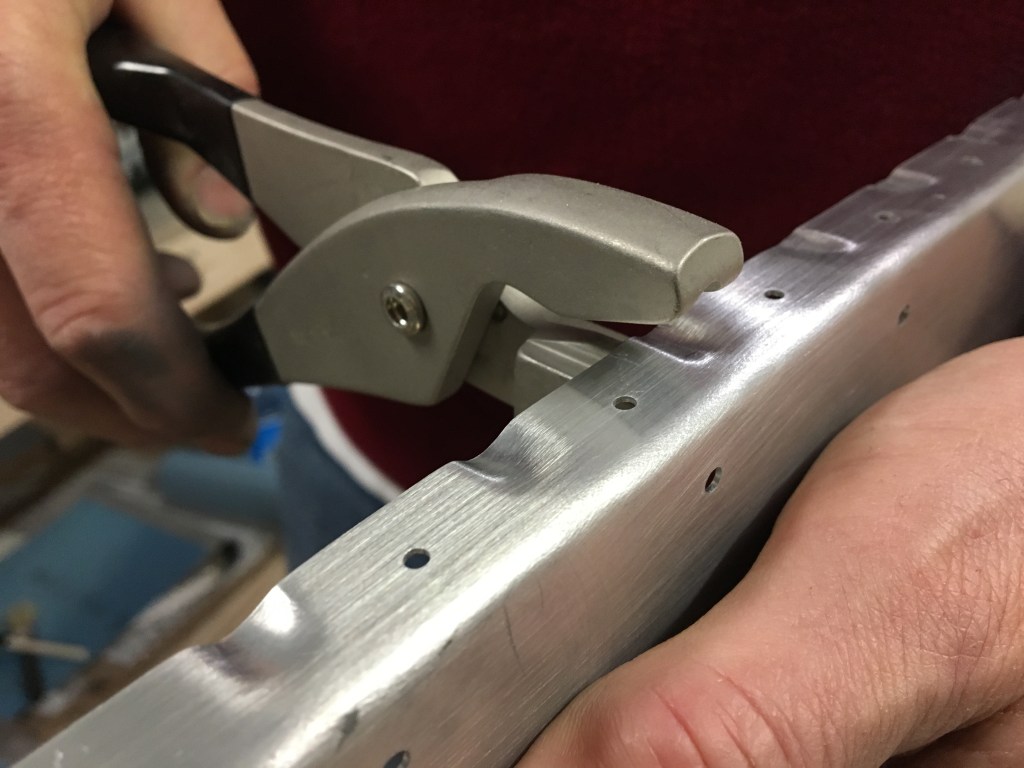
This is a great video demonstrating fluting: https://youtu.be/z6llywjGgxA?t=100
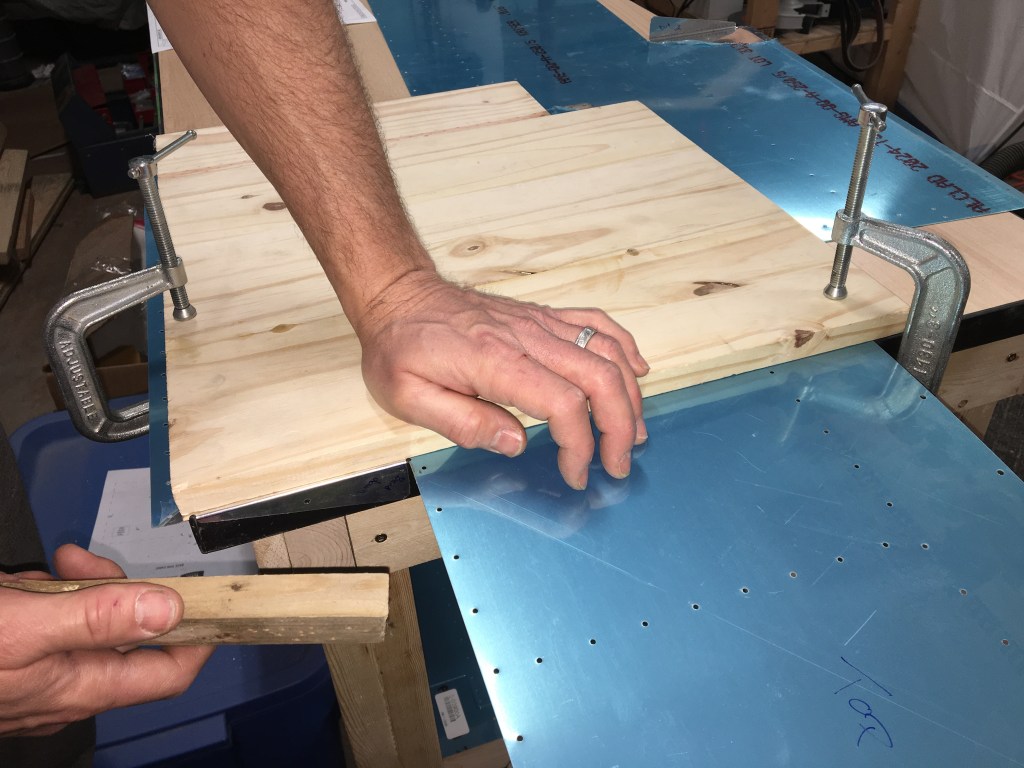
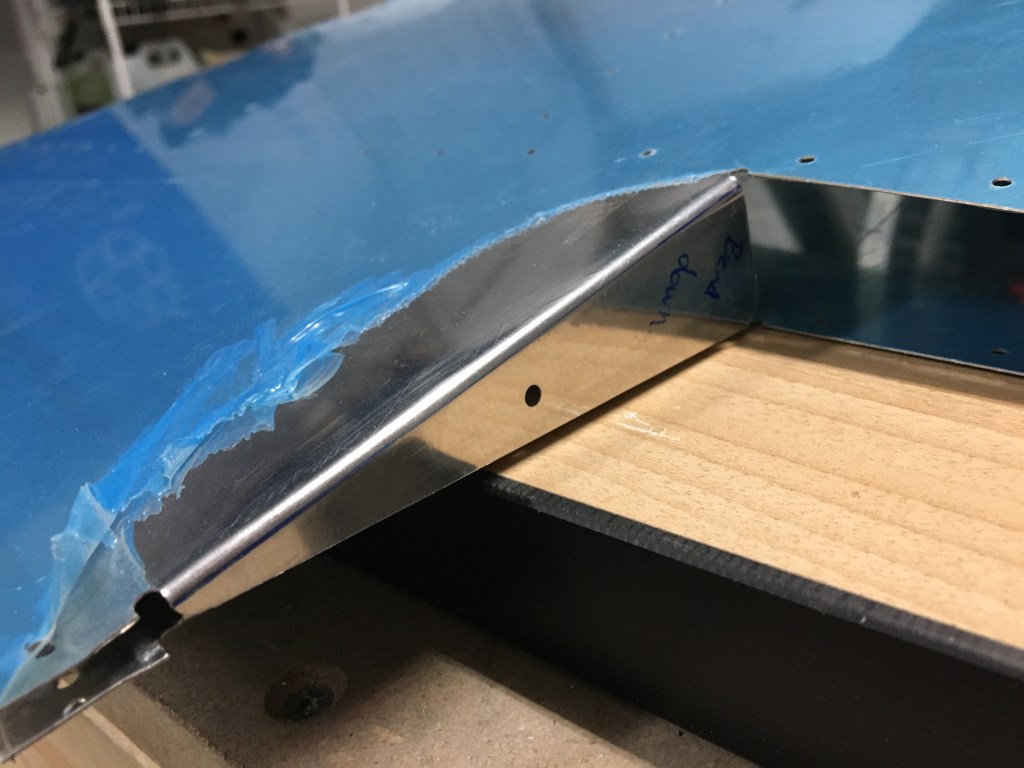
The next part of the plane that Troy has been working on since the last post is the elevator. This part of the plane has received some media attention in recent years. System malfunctions related to the elevator controls caused the fatal crashes of Lion Air Flight 610 and Ethiopian Airlines Flight 302, leading to the grounding of the Boeing 737 Max aircrafts in 2019.

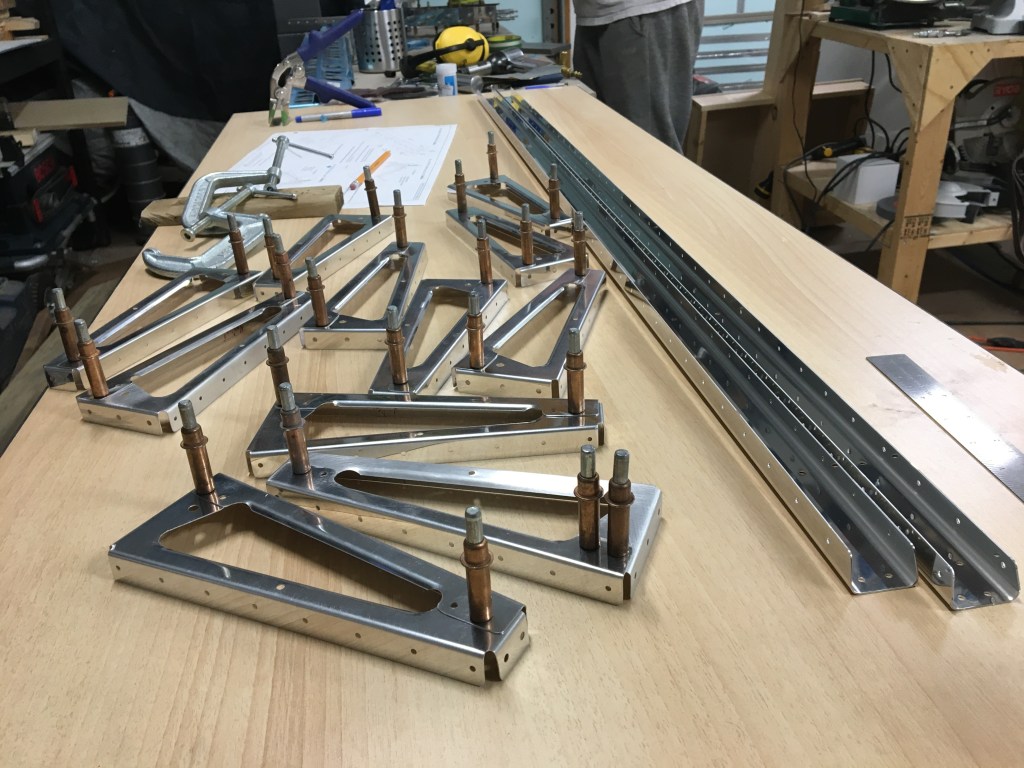
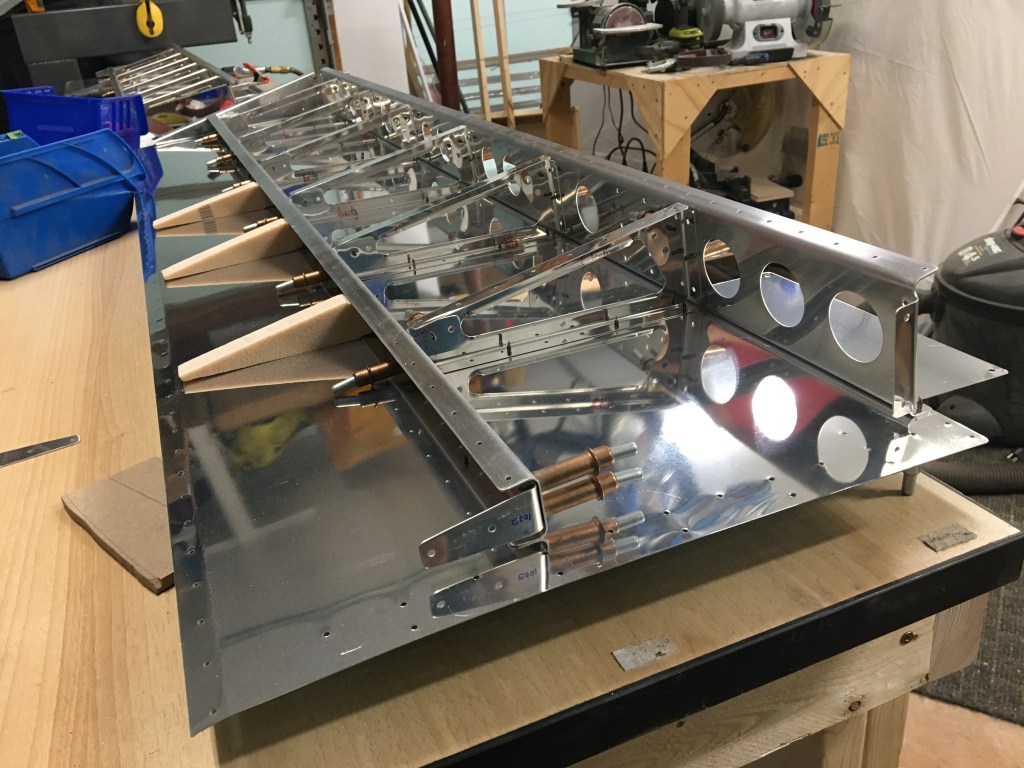
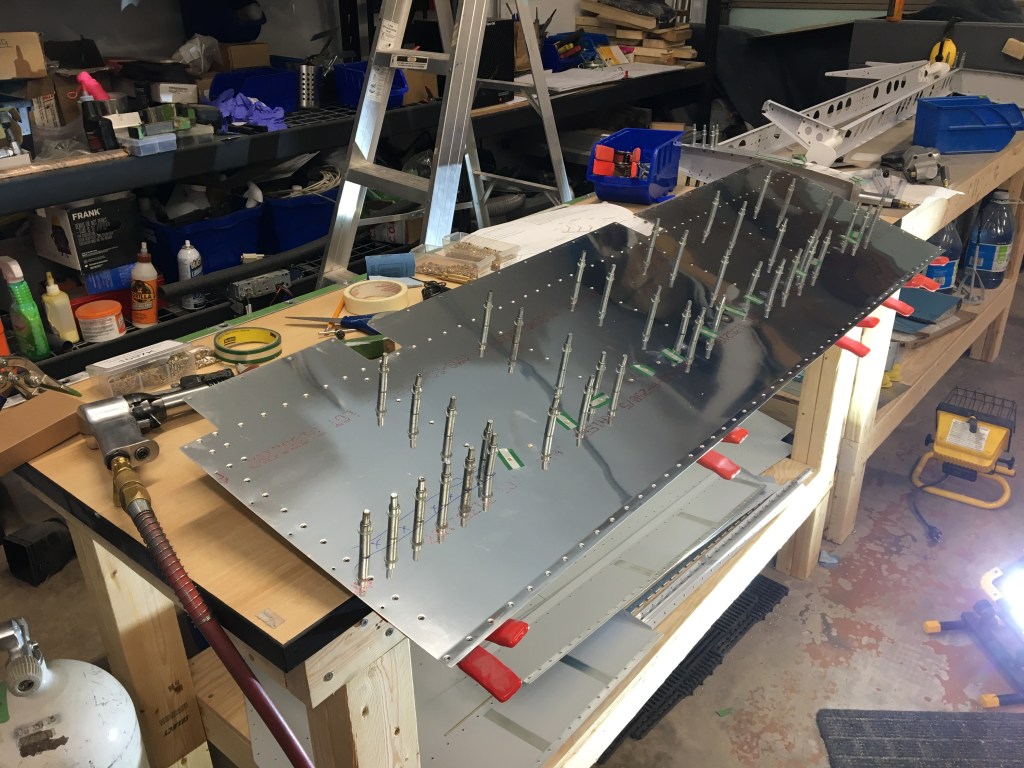
The position of the elevator changes the amount of lift forces on the horizontal stabilizer, ultimately controlling the airplane’s pitch, or simply – this is your nose up or your nose down control. Dr. Sbaitso’s grandson does a great job of explaining the various primary control surfaces in this video and specifically the elevator here. Fun fact, I’m actually proudly geeking out over the fact that I know who Dr. Sbaitso is and Troy doesn’t.
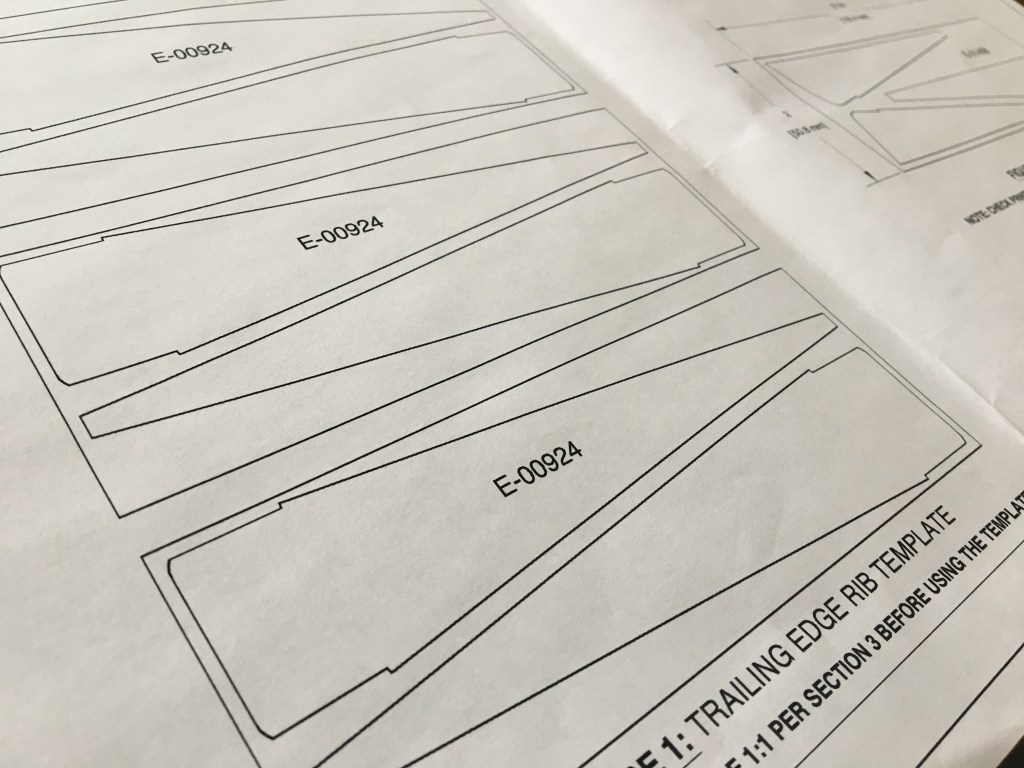
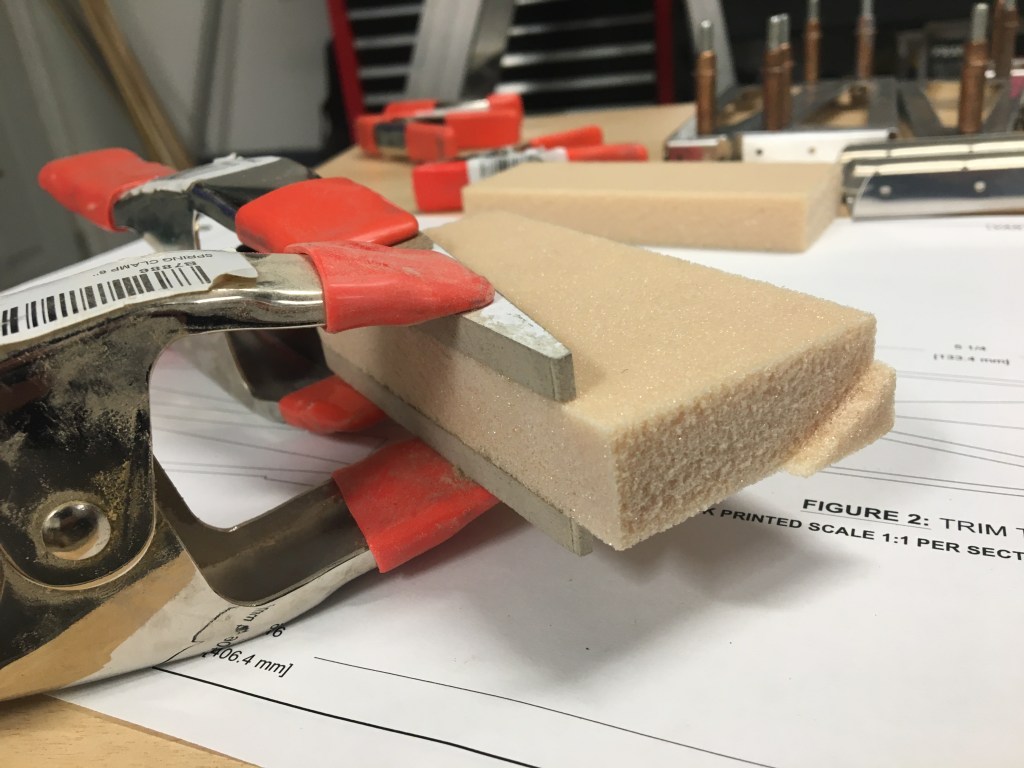
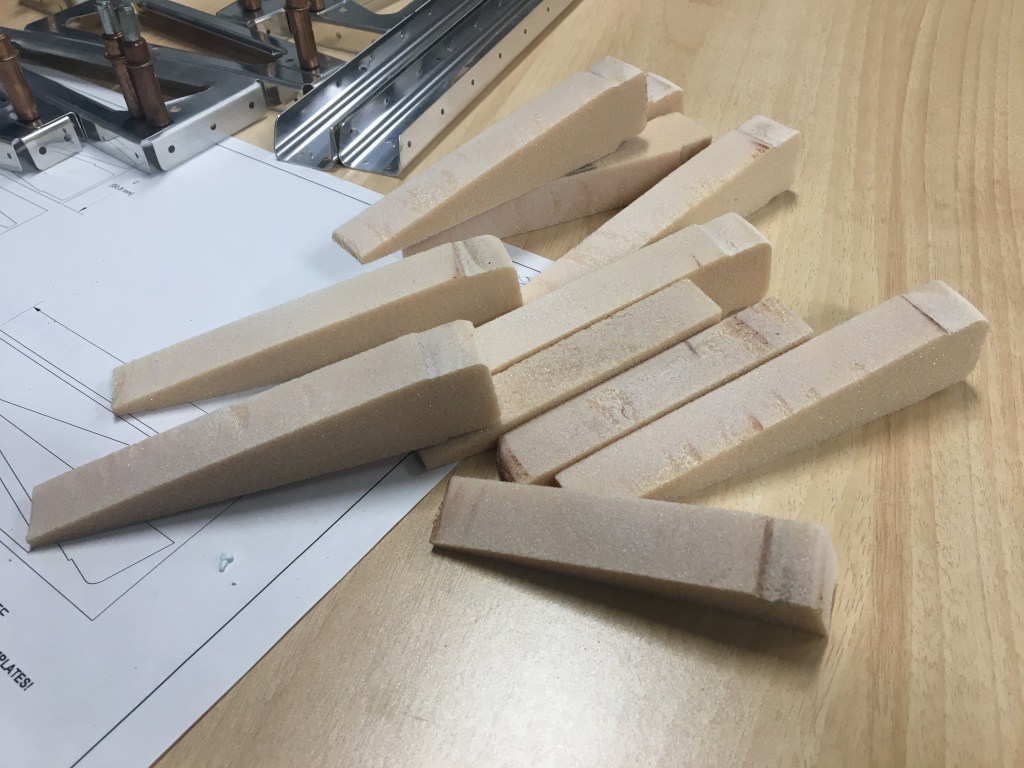
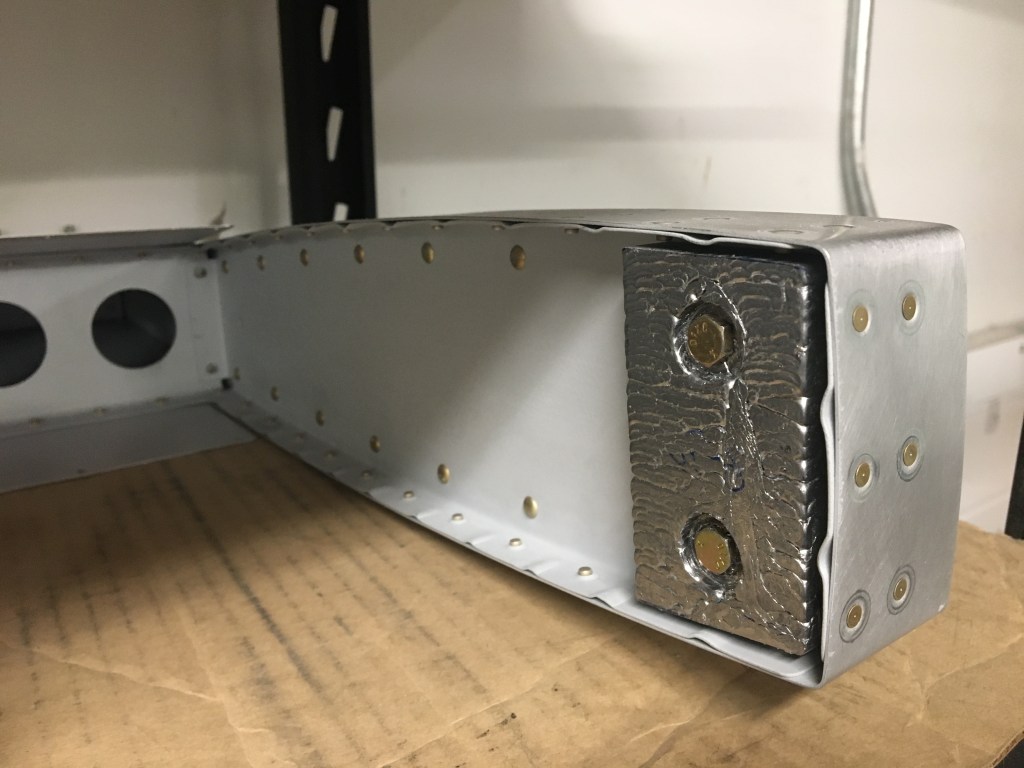
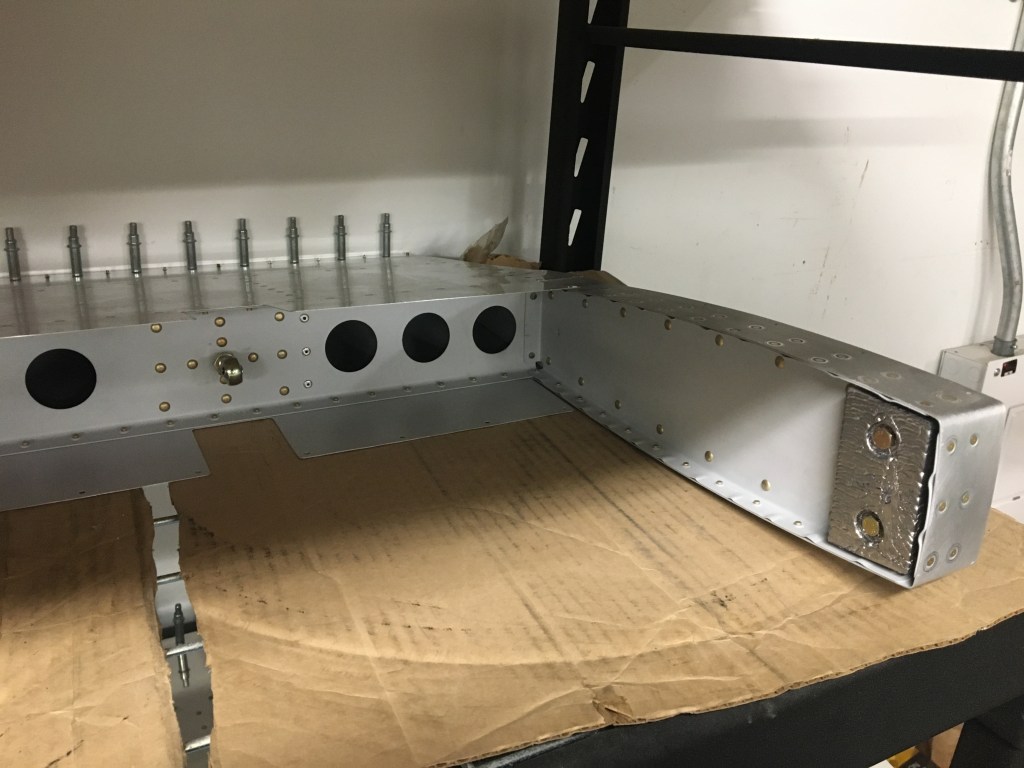
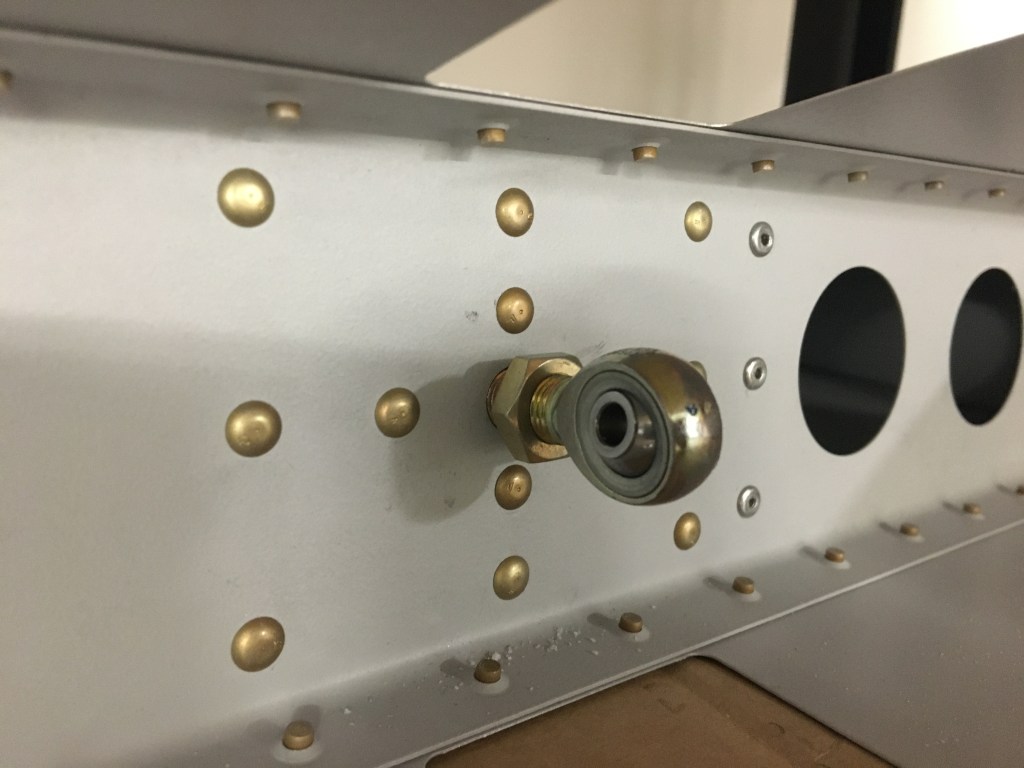
There have been multiple news articles on the 737 Max and interestingly, a plethora of personal home flight simulator videos on YouTube of people making their own episodes of Mayday. Another fun fact – Mayday episodes were frequently filmed at Brantford Airport – a fantastic breakfast destination in 2019 PC (Pre-Covid). A faulty sensor believed that the airplane’s nose was pointed higher than in actuality, leading to the automated system (MCAS) changing the position of the elevator, forcing the nose down, and ultimately into an uncontrolled dive. Thankfully, Troy’s RV-14A does not have an MCAS system. There is however, in this part of the kit build, the first implementation of electronic components – the trim servo.
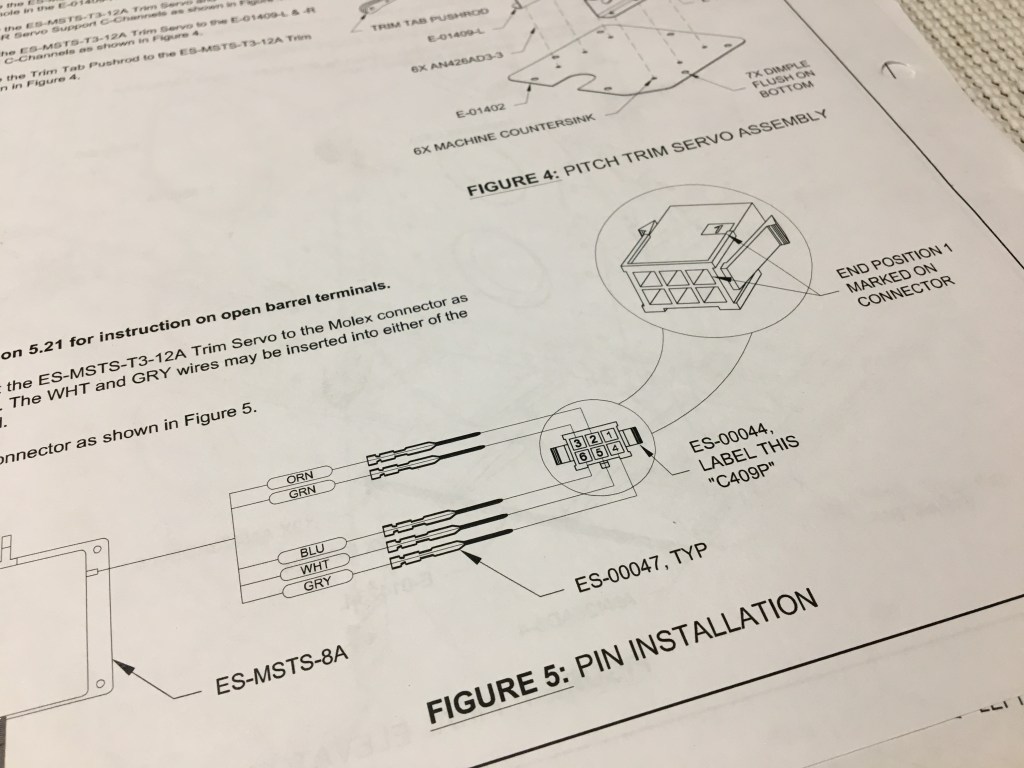
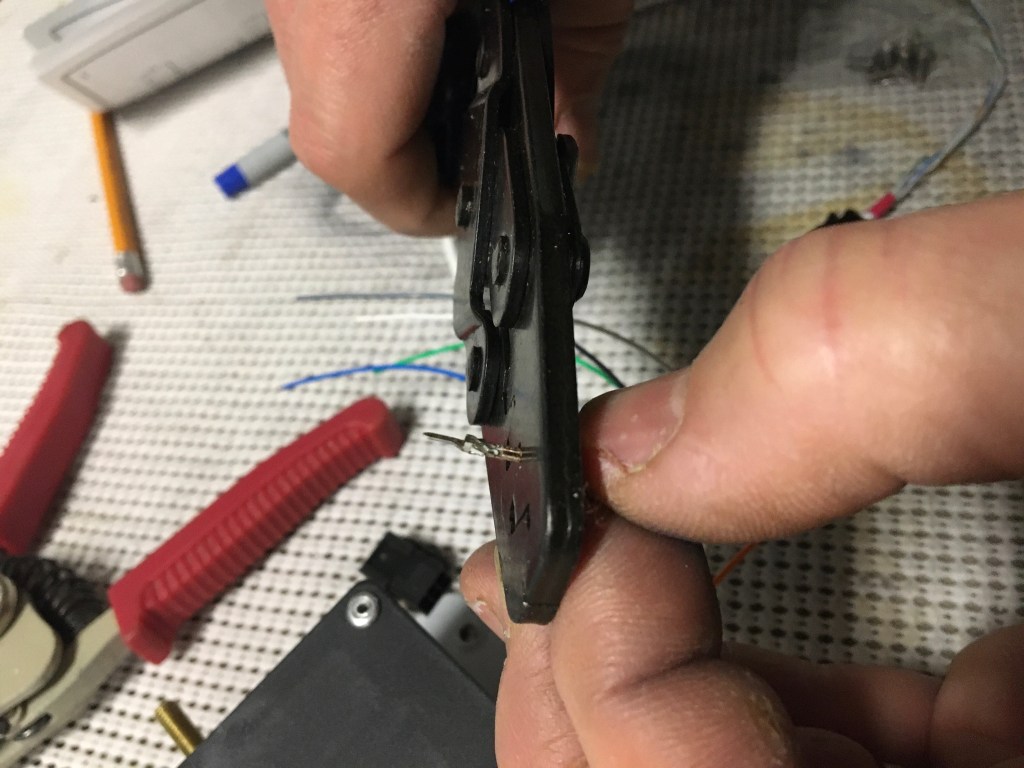
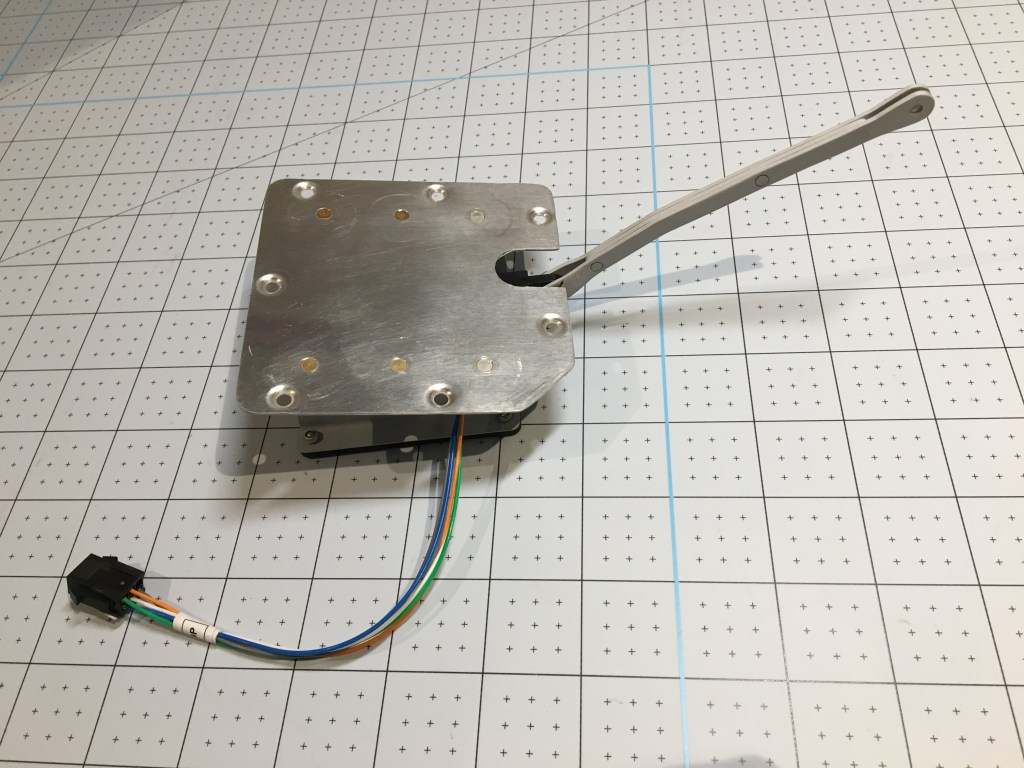
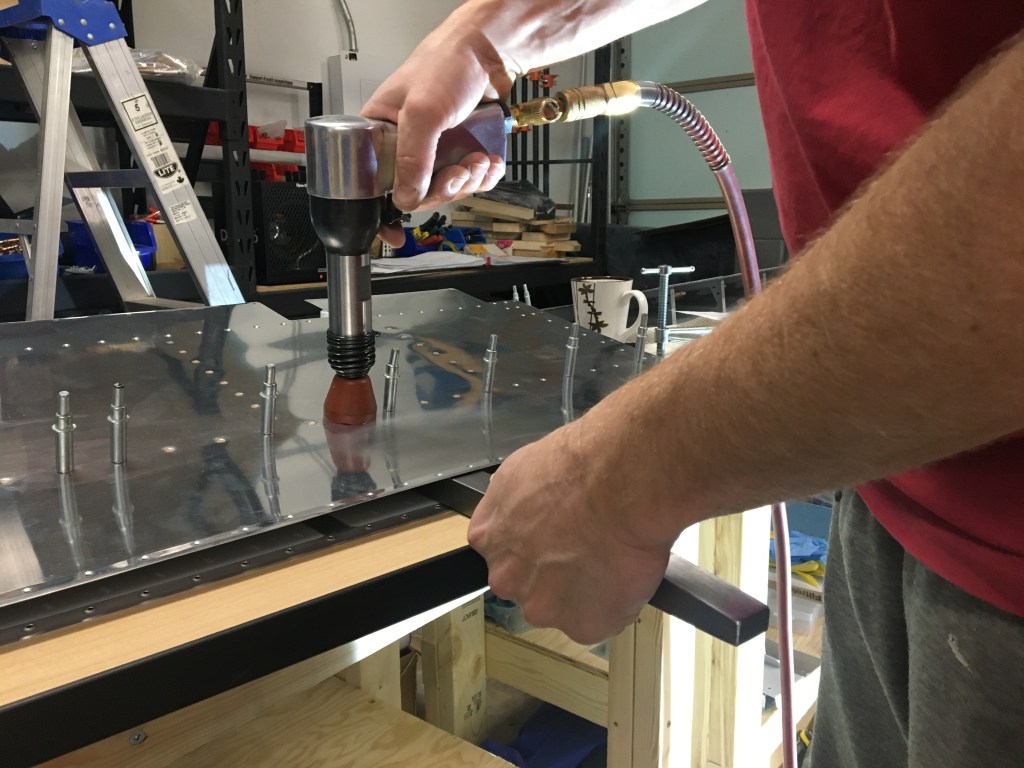
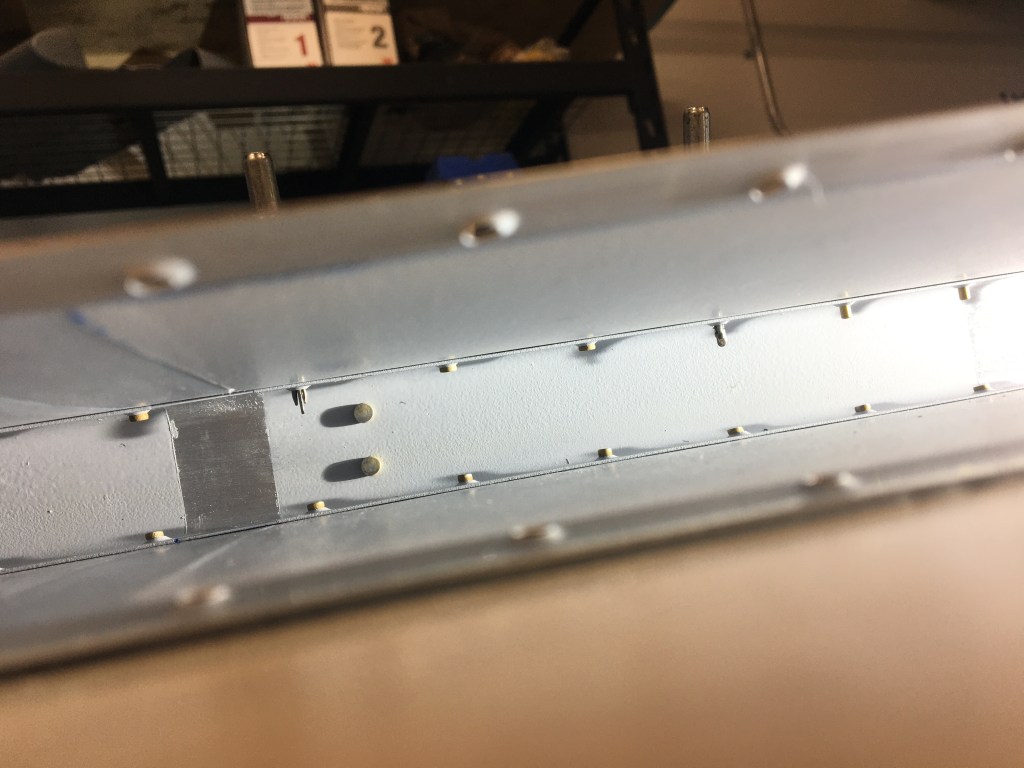
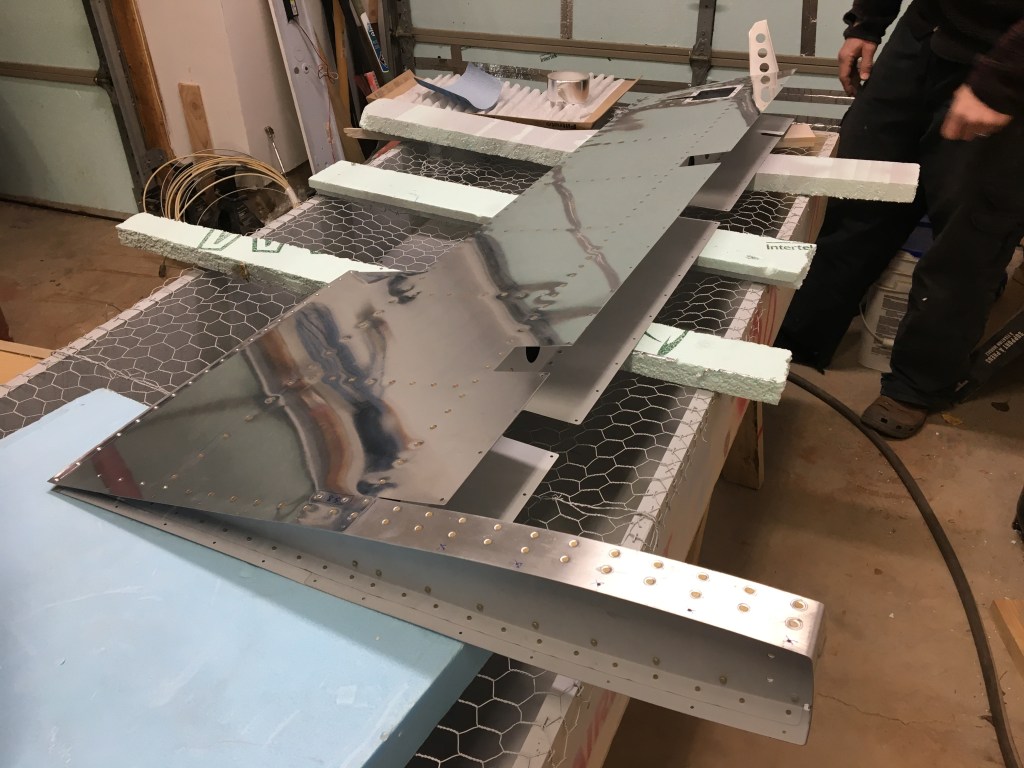
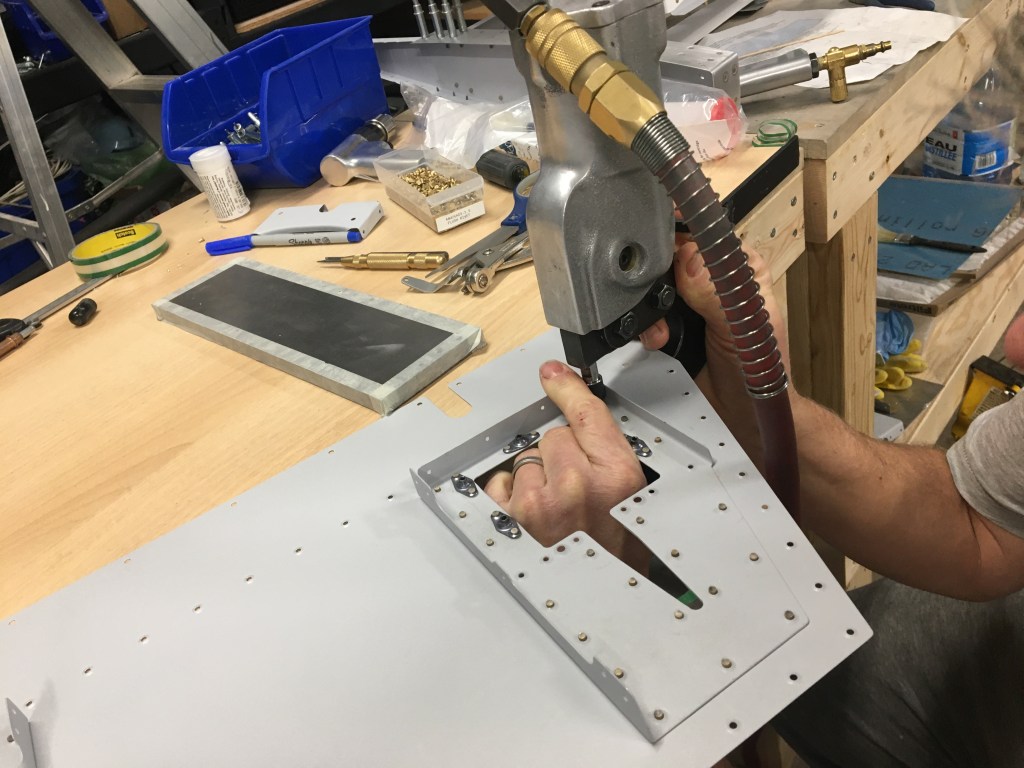
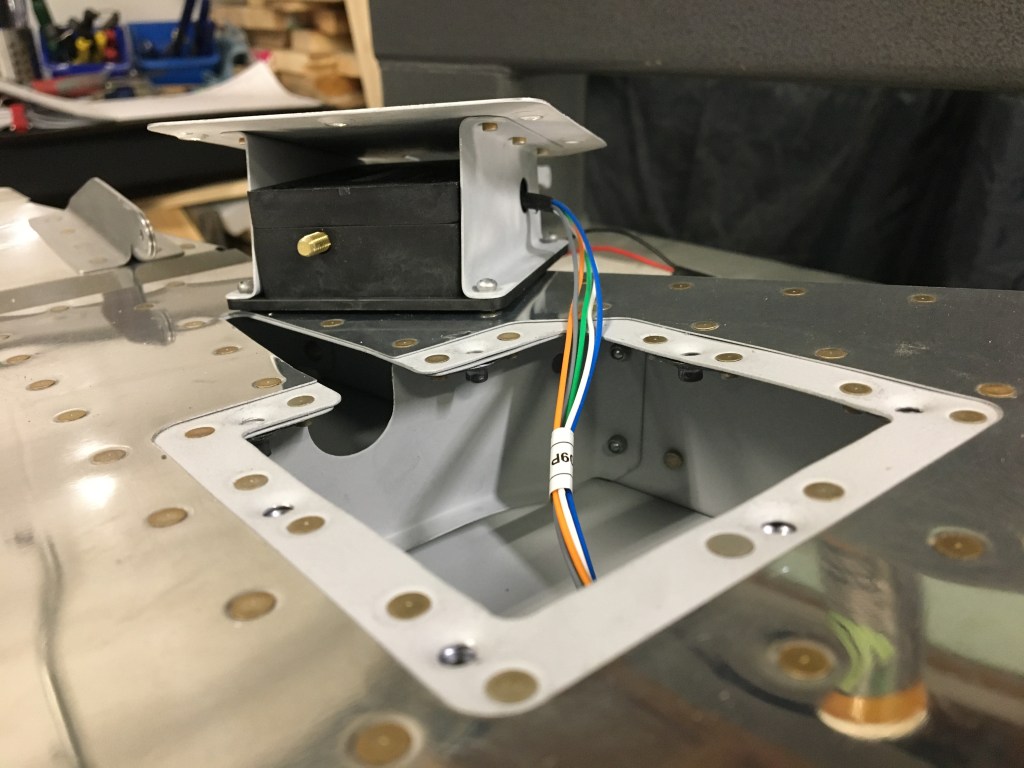
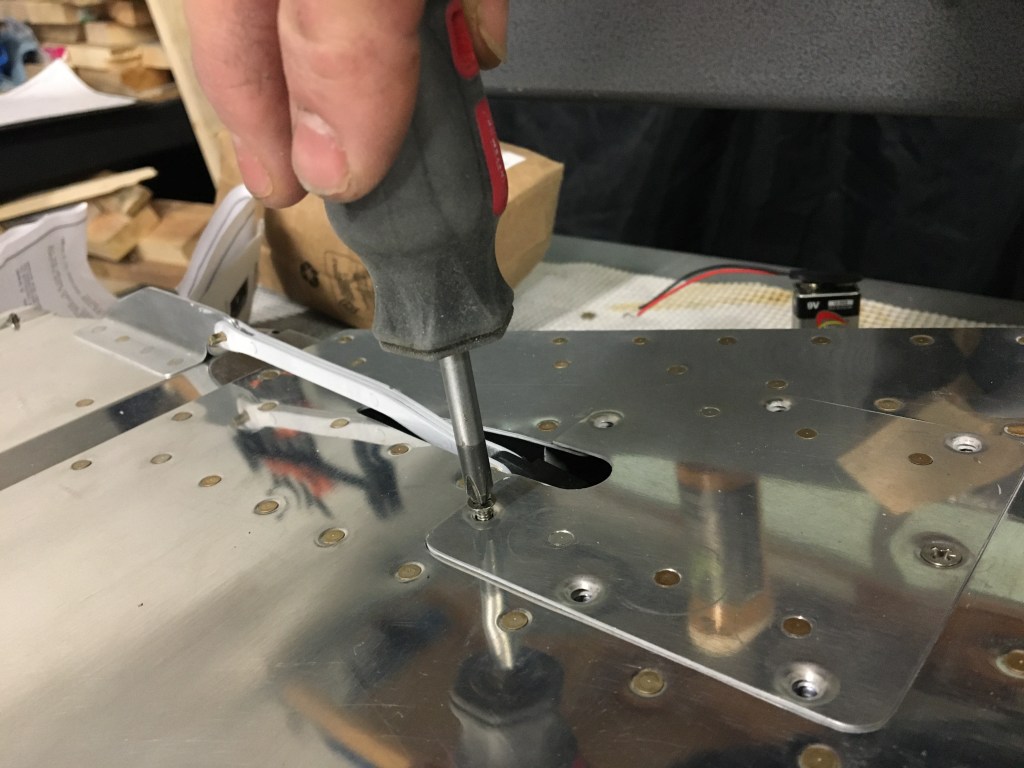
As the pieces are coming together I’m still wondering where everything is going to be stored. The vertical stabilizer and rudder are in Troy’s basement office, the horizontal stabilizer is mounted to the wall in the garage, the elevator parts at least can be stored in halves on shelves (the assembled length is nearly 10 feet)… but ooh, the next part, the remaining empennage fuselage – it’s not flat. Mark my written word, February 20, 2021, I’m still expecting to see parts on the dining room table even though Troy denies that eventuality.
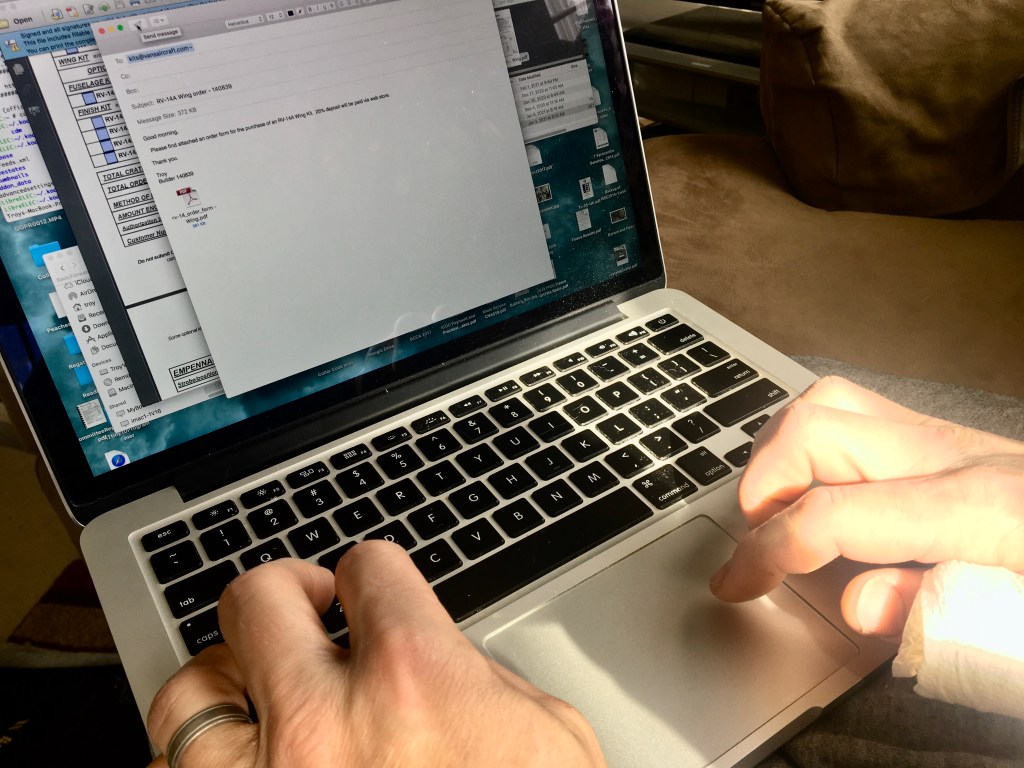
I struggled with how to close off this particular blog entry, it’s slightly doom and gloom with the 737 Max references. I thought about possibly playing off the term “nose up” and how we might begin to start to “nose up” this year as we witness the (hopefully positive) effect of the global vaccination efforts. Just as I was writing this paragraph, Troy announces that he’s pushing the send button to submit his order form for the next kit – THE WINGS. There is at least a 5 month lead time right now with the factory. Oregon has had a bit of a rough 12 months with wild fires, Covid-19, and now power outages from recent snow storms. It is exciting to think about moulding and shaping with your hands, the power of flight – so let’s keep our noses up as we continue into 2021.
 From The Right Seat
One thought on “Nose up”