
I wake up each morning, push the “small coffee” button on our Miele machine, the first of many caffeinated offerings to the small monkey in my head. As the robotic noises click and buzz in a familiar ring-tone fashion, I survey the wondrous spread of gifted baked goods, choose a cookie to shove in my mouth, and proceed to cut a piece of Farm Boy gingerbread loaf that will serve as breakfast. The saving graces to my waist line are the incredibly stretchy pair of sweat pants I’m wearing and that the pile of Christmas baked goods is dwindling as the remaining days of 2020 tick away.
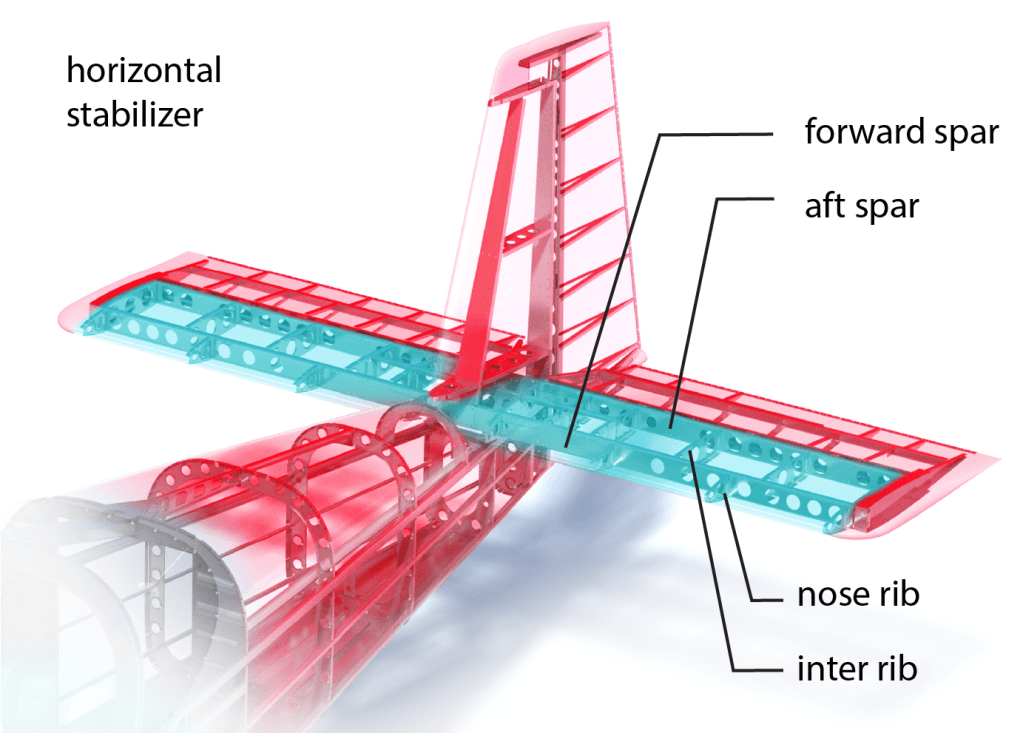
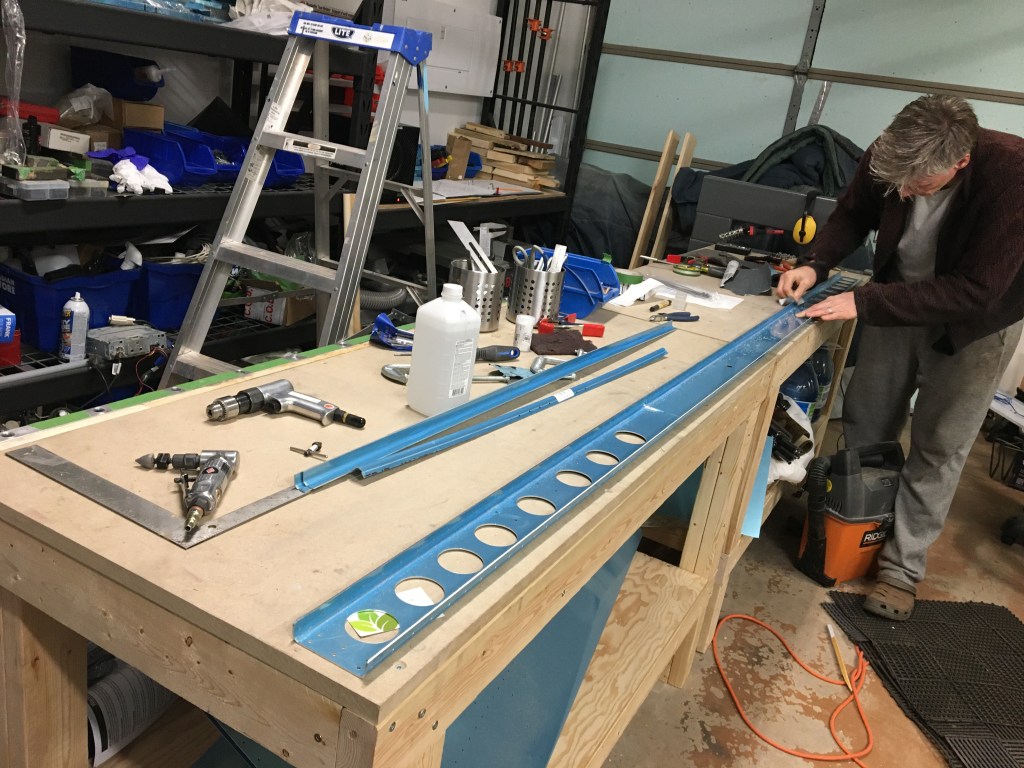
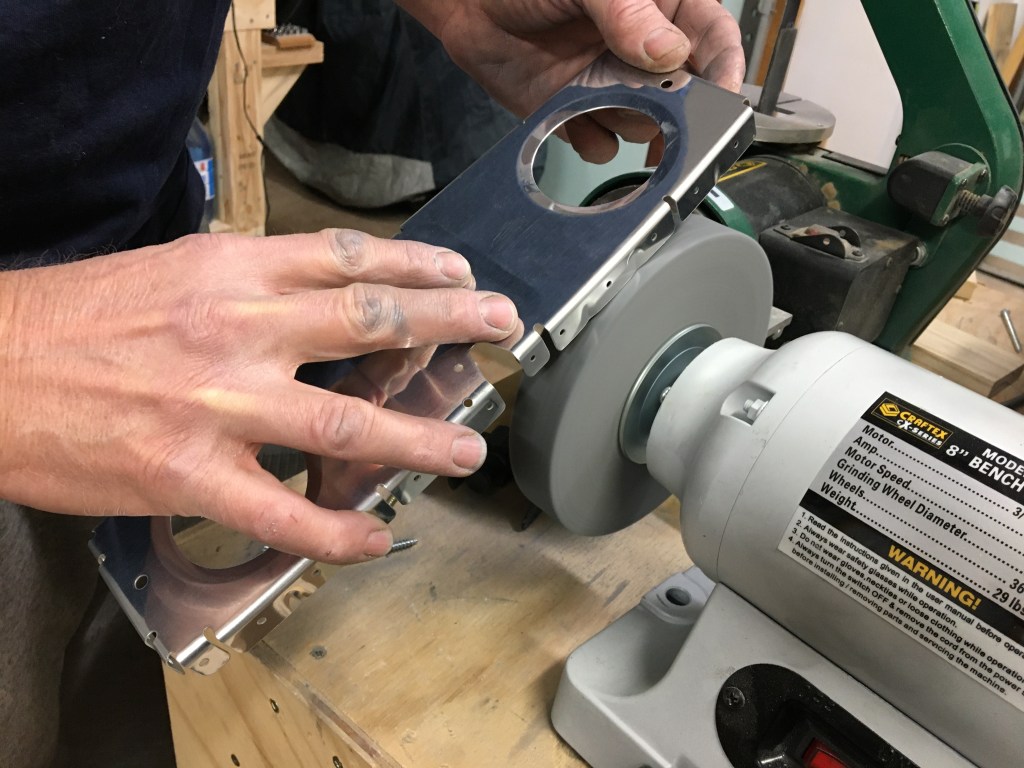
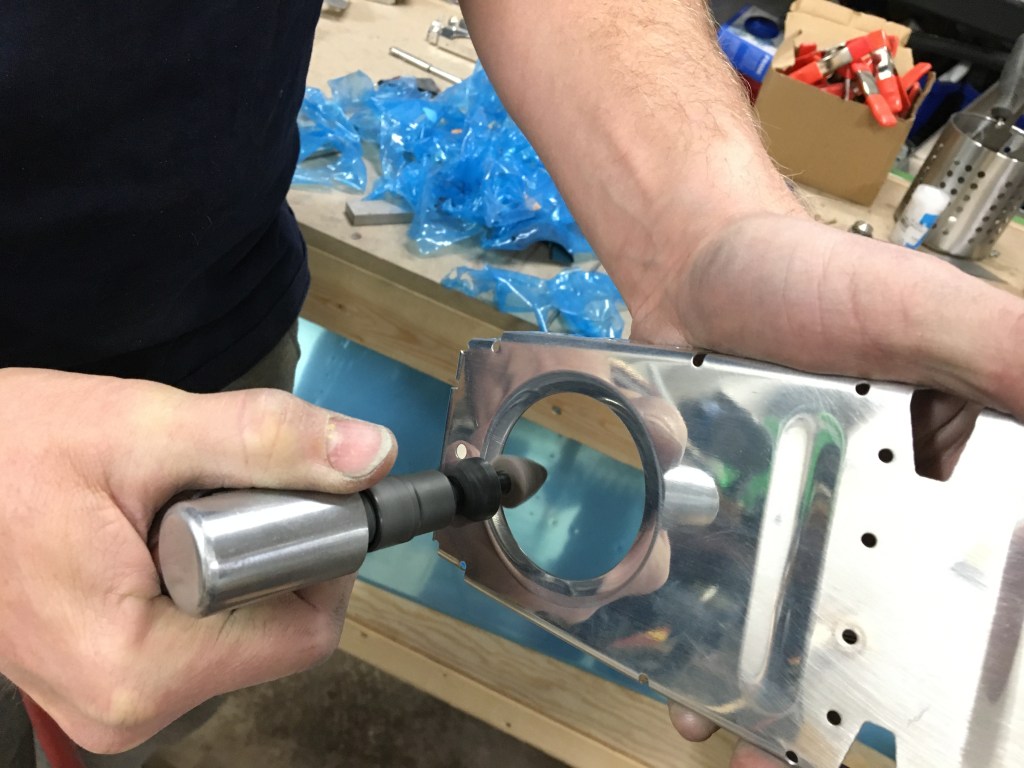
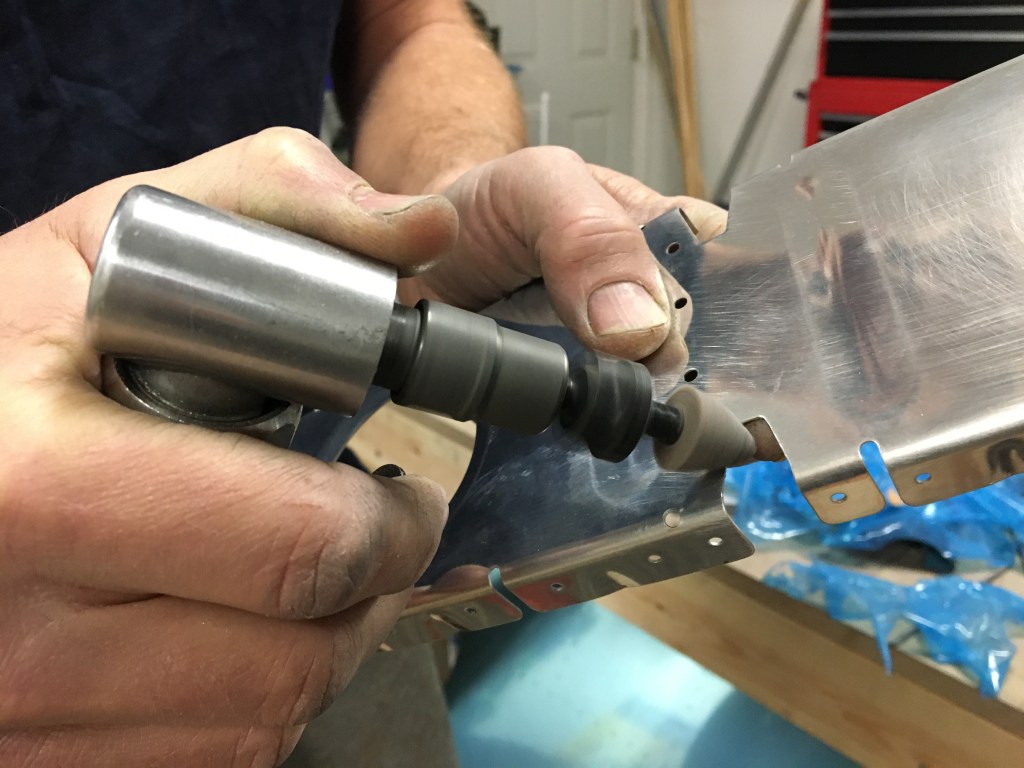
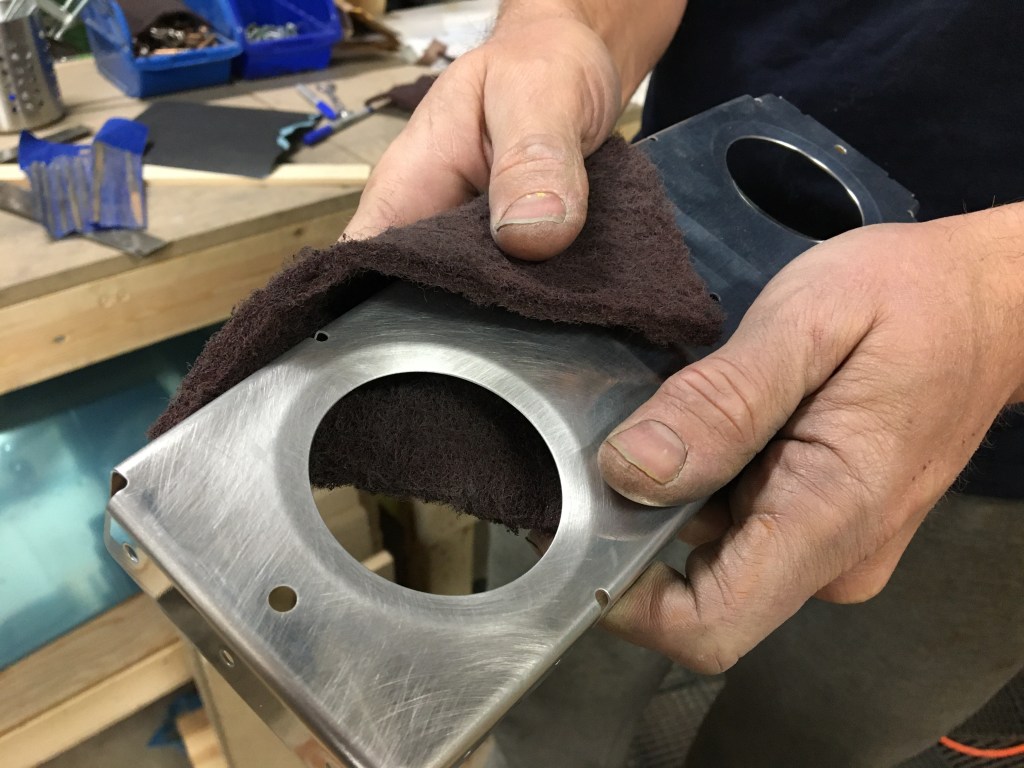
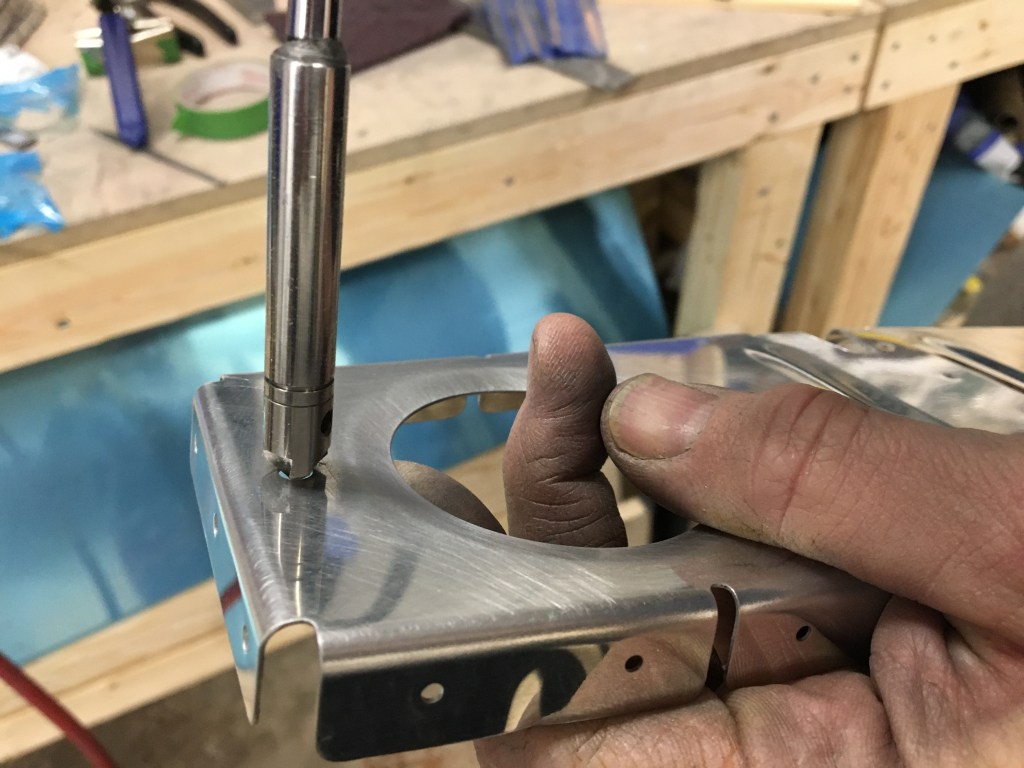
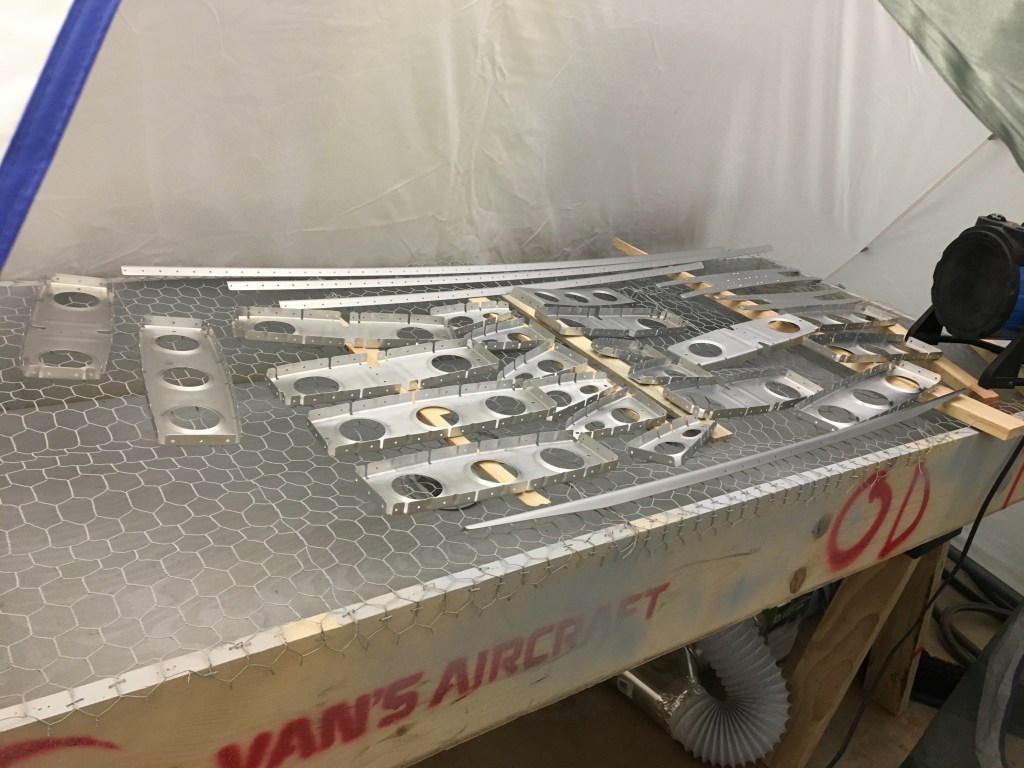
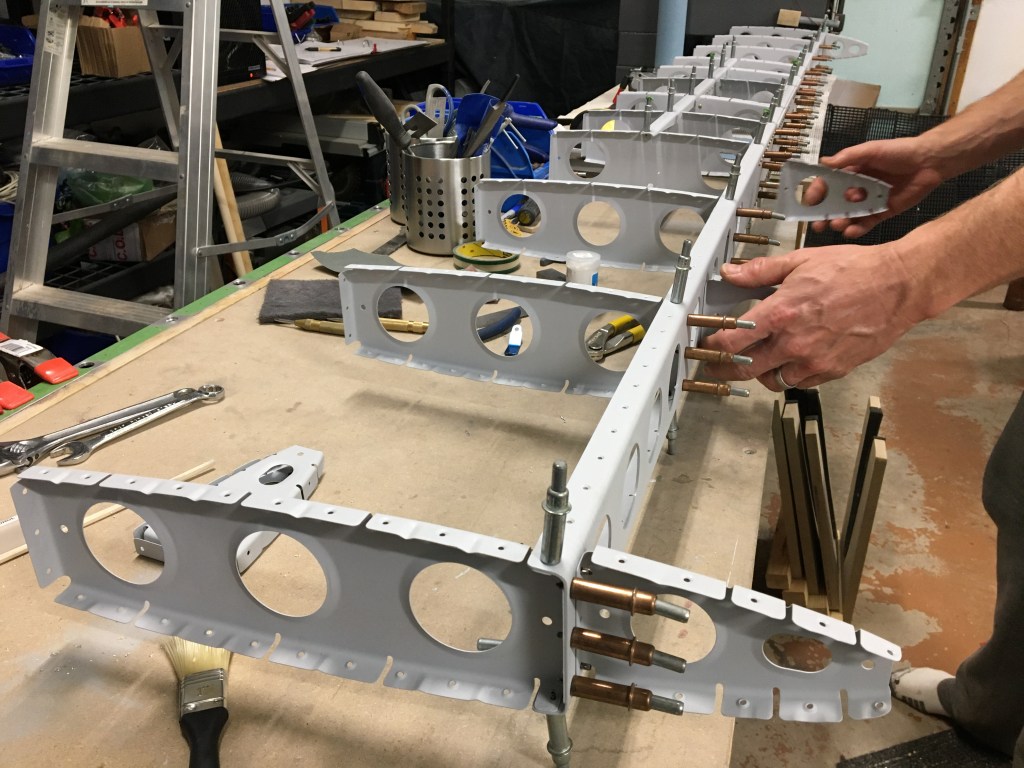
As Troy continues to assemble pieces of the airplane in the garage, I’m wondering – in addition to where he’s planning to store all of these parts – how heavy is this thing? These are rough numbers, but the total airplane will be about 1240 lbs (or roughly 560 kg). The engine alone will be 350 lbs (~ 160 kg), the landing gear and brakes another 150 lbs (~ 70 kg), add another 100 lbs (~ 45 kg) for “other stuff” and the remaining ~ 50% of the total weight is comprised of the structural aluminum pieces Troy is feverishly sanding or polishing. When the kit was first unpacked in the garage, Troy had held up one of the spars and asked me if I knew why the holes were called lightening holes. The first thing that came to mind was, “must be something related to lightening strikes and dissipation of the electricity”. Yeah, no. The holes just “lighten” the structural components. That almost felt like it a weird joke and needed a ba dum chh.
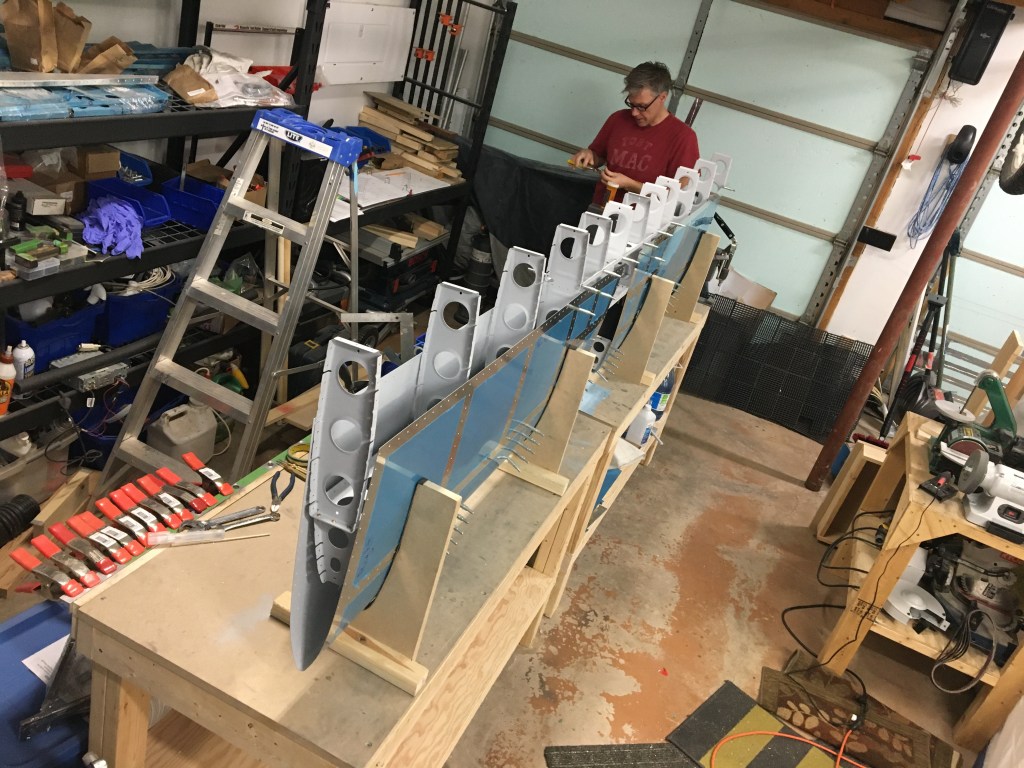
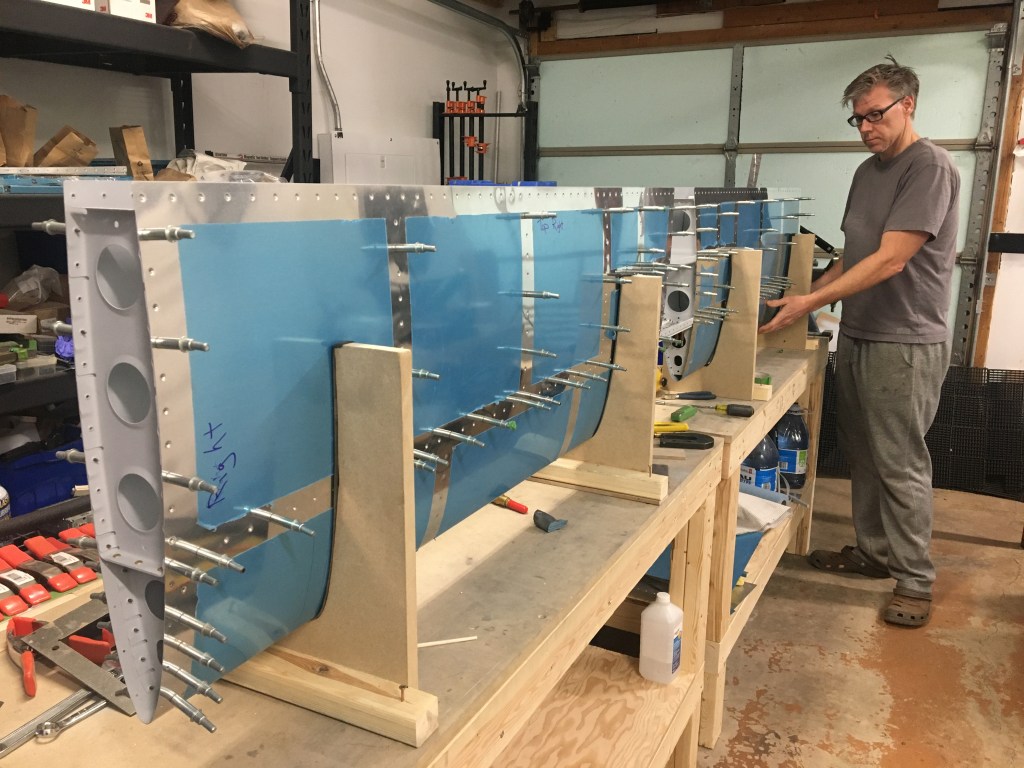
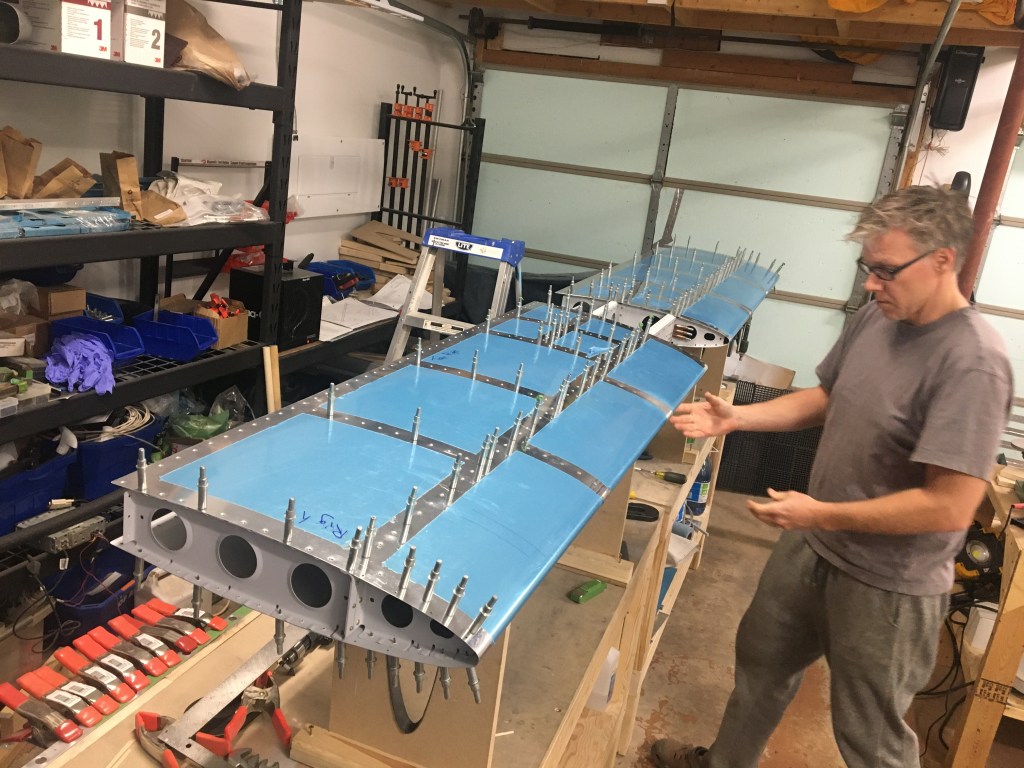

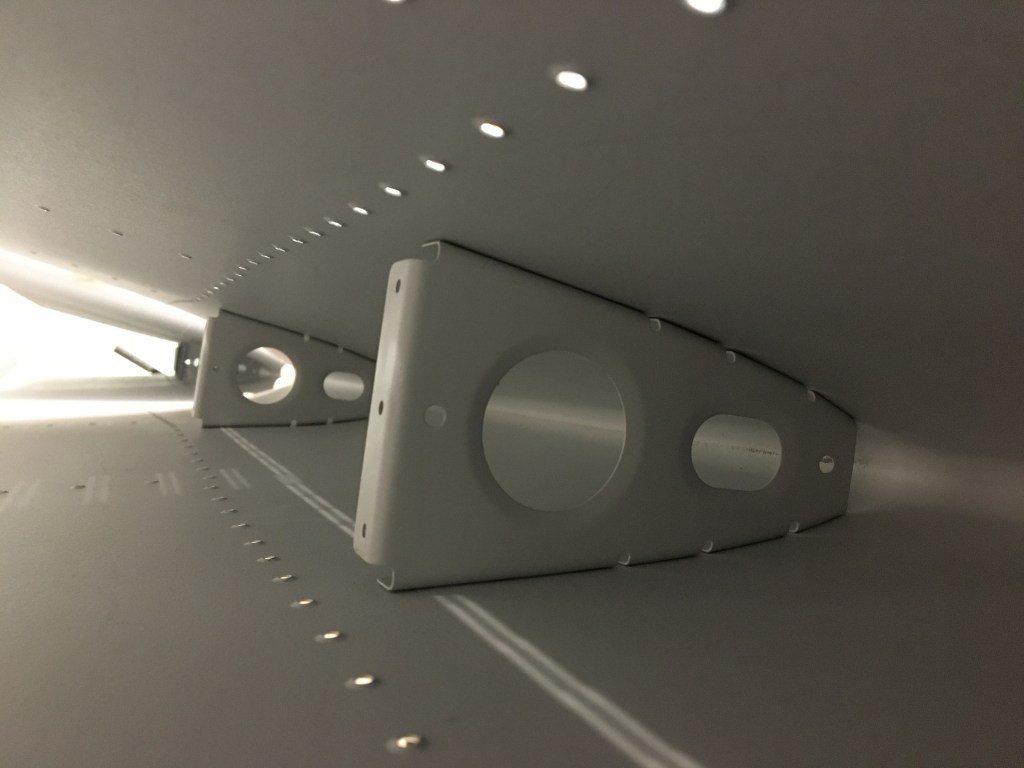
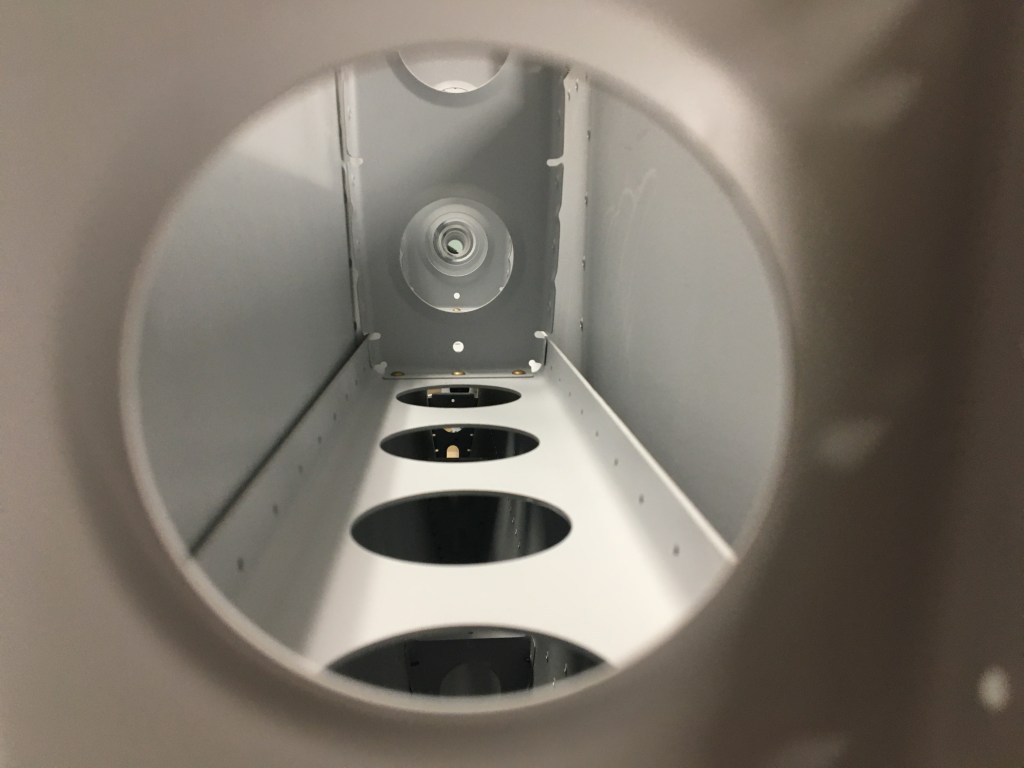
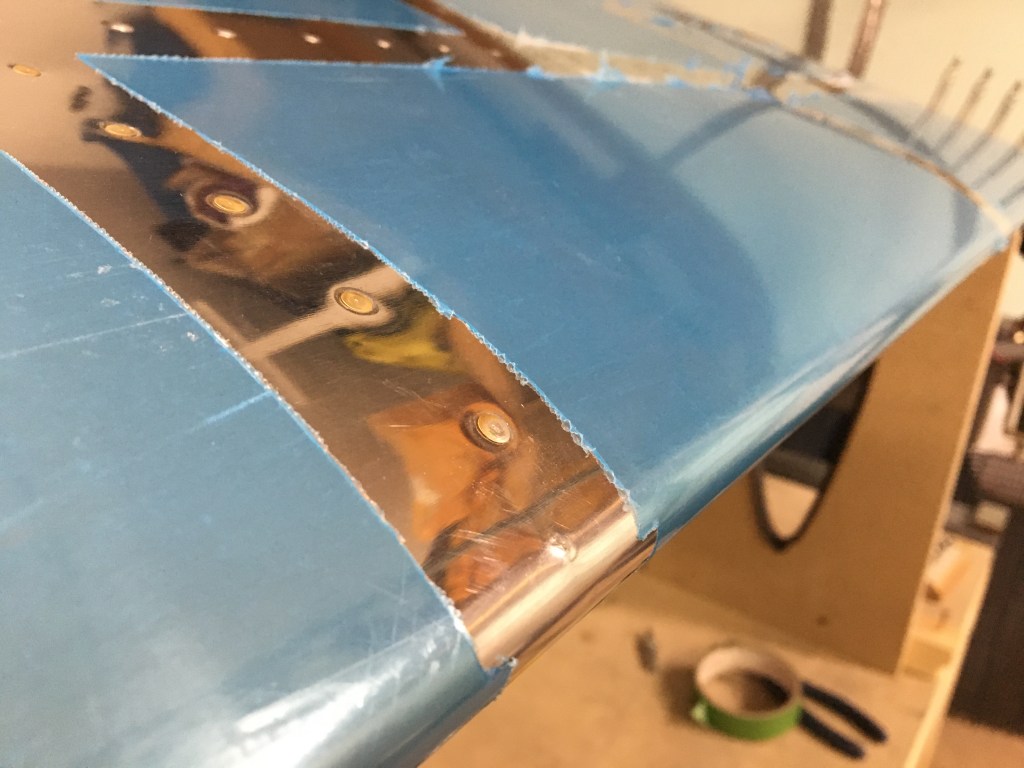
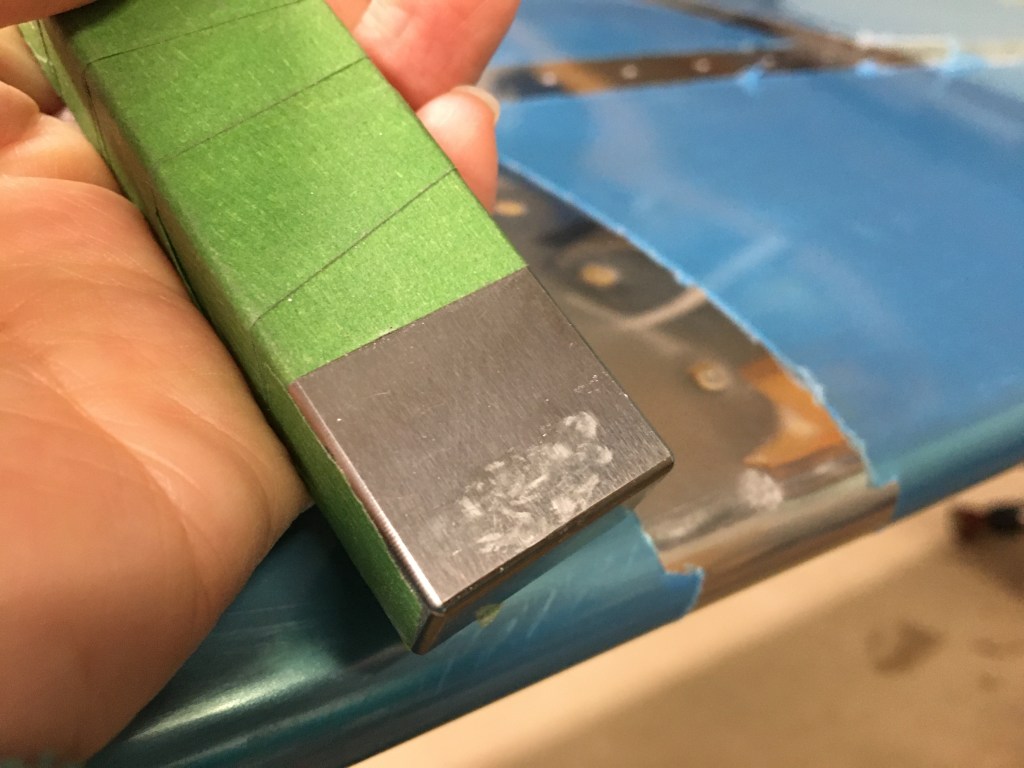
You’ll recall in Beer Fridge: Part 2 I touched briefly on the subject of priming and weight – where the choice to prime and the type of primer used become factors when balancing corrosion and final weight of the aircraft. Just how much of the airplane weight is the primer? We weighed three small ribs before and after priming and the primer added an additional 5% weight. Troy, being the physicist that he is, rambled on and on about X% of the pieces being primed on both sides and Y% of the pieces are only single side primed – as you can see I tuned those details out. For all intents and purposes (funny enough I had typed out “intensive purposes” first and spell check was angry with it, learned something new) – the primer is roughly 25 lbs (~ 11 kg). But then you throw 350 lbs (~ 160 kg) of people into the front seats, fly somewhere for lunch, pack in about 5 lbs (~ 2 kg) of food and maybe 10 lbs (~ 5 kg)of local wine, a few pounds / kilos here and there are negotiable on short local flights.
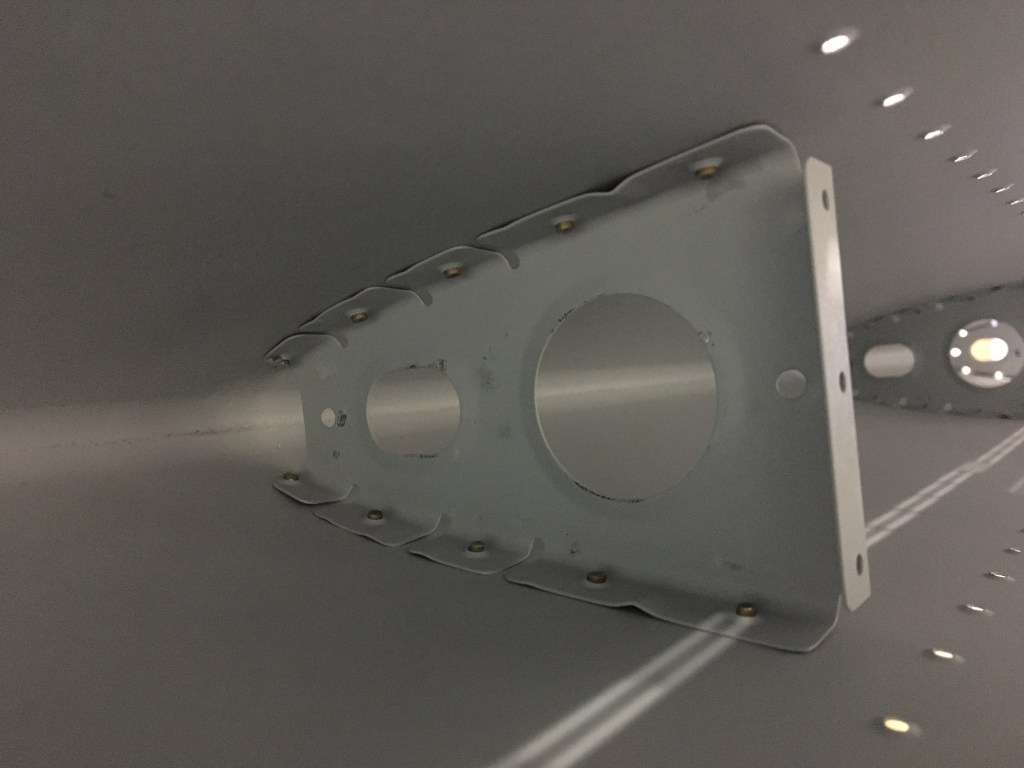
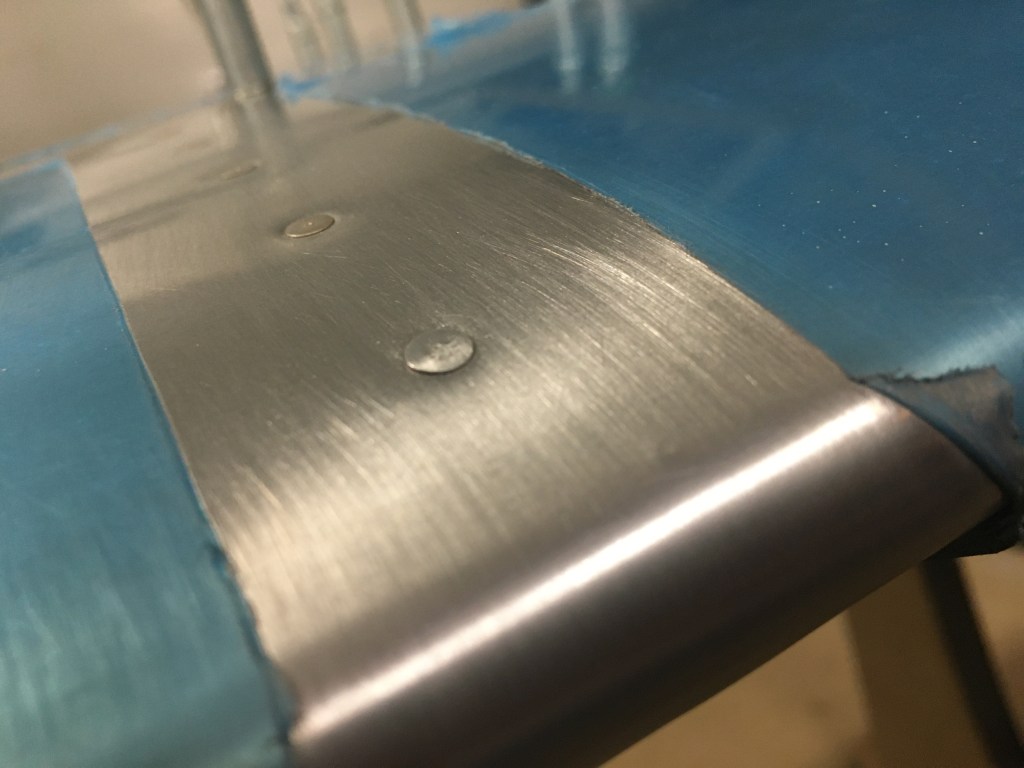
So what this really comes down to is – how many people can Troy’s airplane safely fly? The gross (flyable) weight of the RV14A is 2050 lbs (~ 930 kg): fully fuelled tanks weigh 300 lbs (~ 140 lbs), the plane at 1240 lbs leaves roughly 510 lbs (~ 230 kg) for passengers. General rule of thumb – when flight ready, this plane will be able to take two 200 lb (~90 kg) individuals and their luggage… or basically, Troy, myself, the two dogs, no luggage. Apparently we all need to stop eating holiday treats.
 From The Right Seat
I feel there is motivation to become your ‘lightest’ friend….remote dive location here we come!!!
LikeLiked by 1 person
oh the dive spots we could go!! 🙂
LikeLike