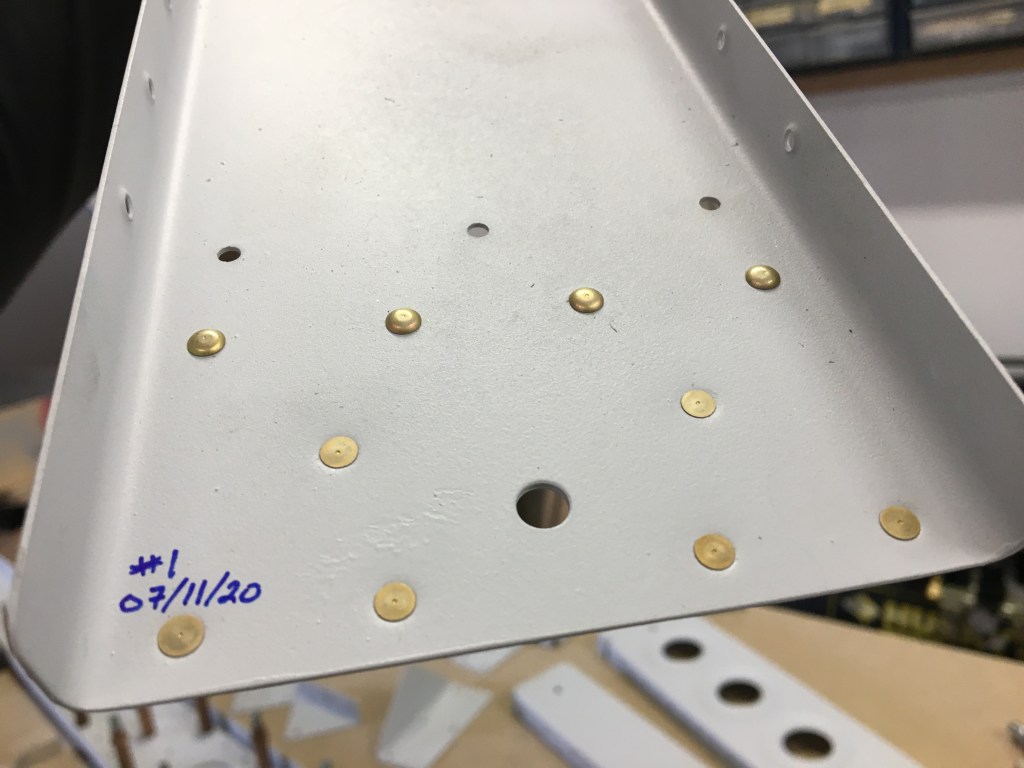
Riveting. Up until this point in my life, I’ve only used this word in the context of something completely grabbing my undivided attention. Rivets can be riveting if permanently connecting two pieces of metal together is your thing. It’s finally time to talk about that step in building an airplane – and funny enough – it is such a small part of the entire build. Connecting pieces of metal is structurally fundamental, but it’s the preparation of the parts leading up to this that determines how structurally sound the airplane will ultimately be. But – I have to say – it is incredibly satisfying to see Troy start to put the pieces together. It’s like reaching a certain toll gate in the process.

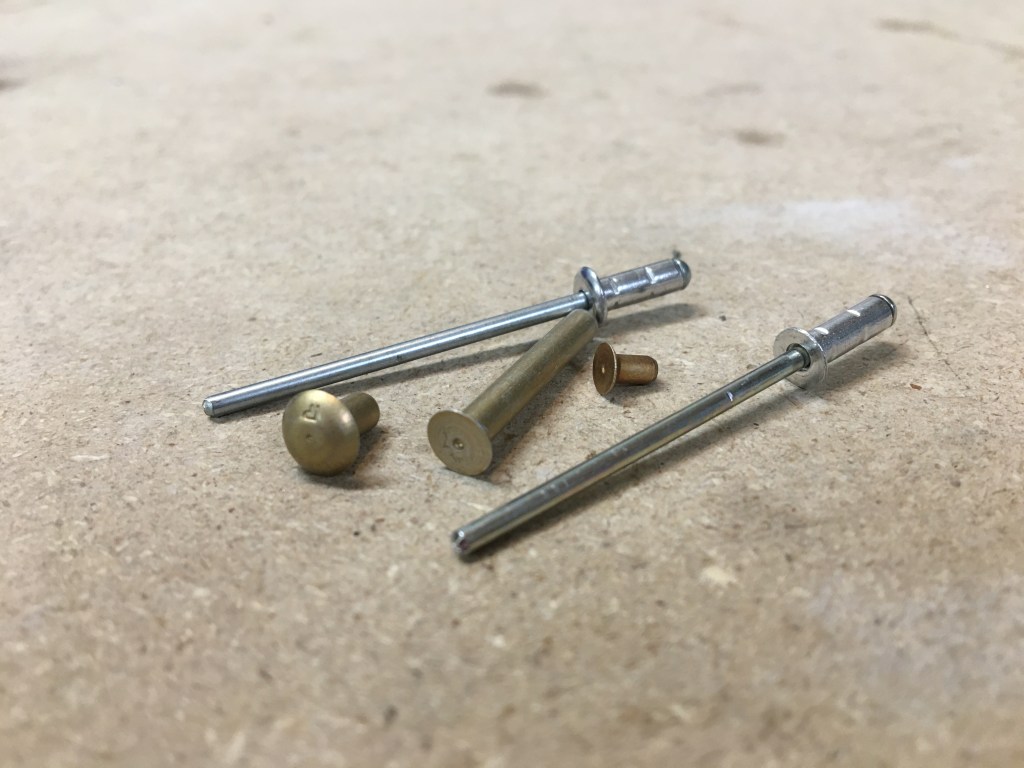
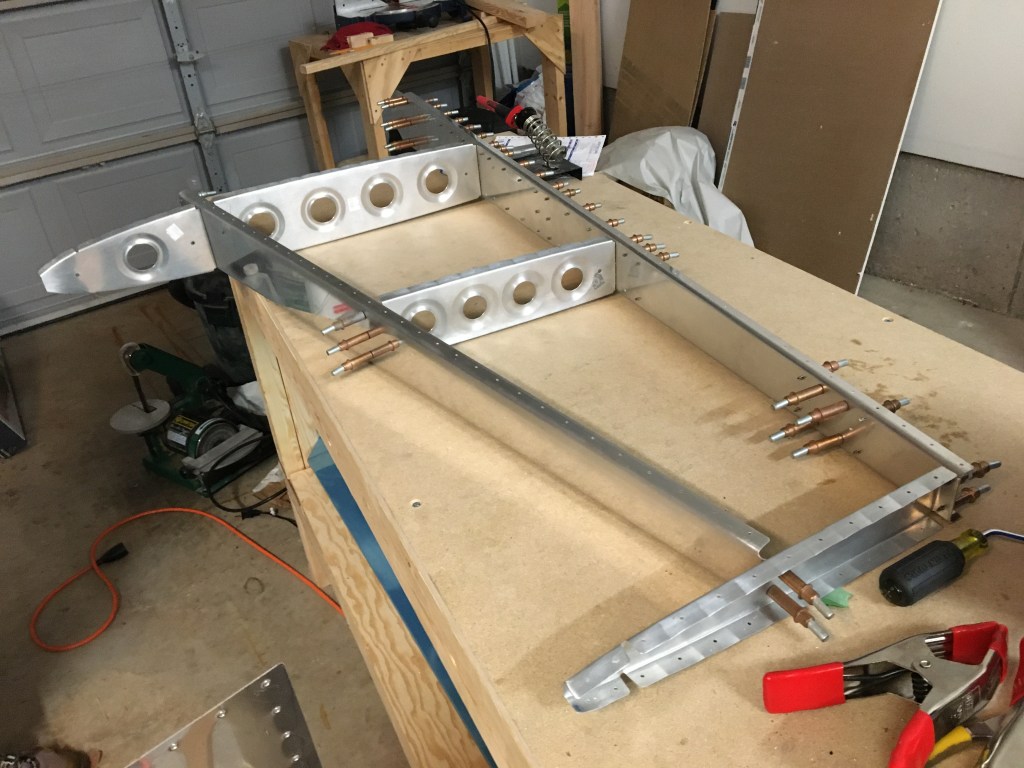
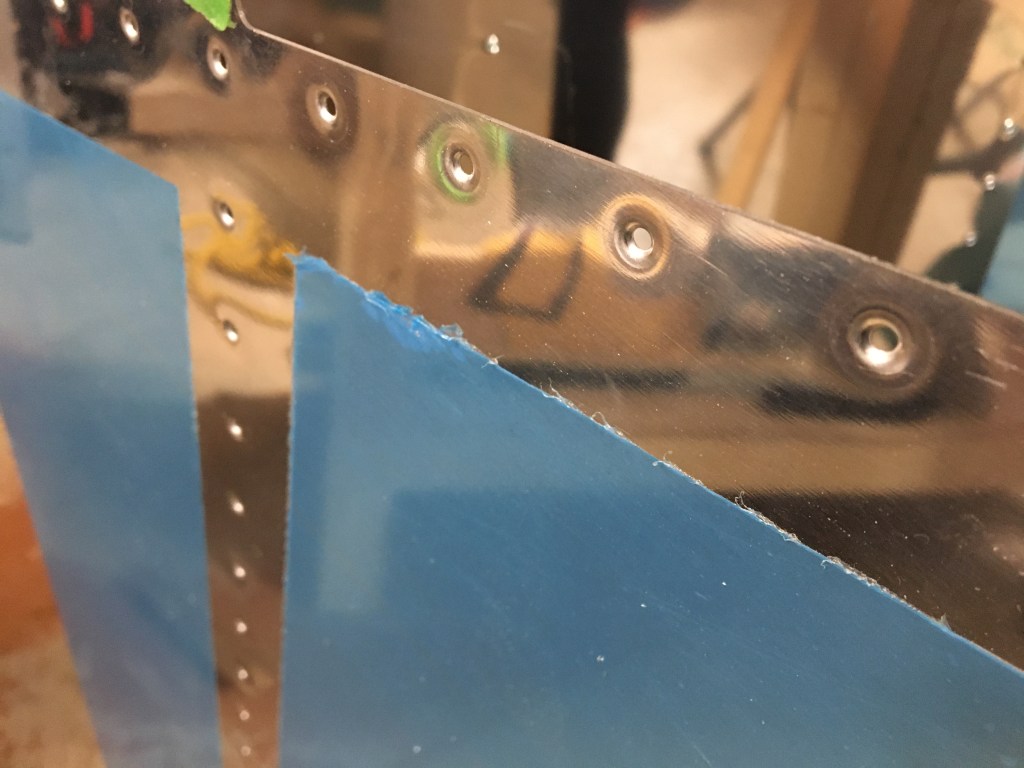
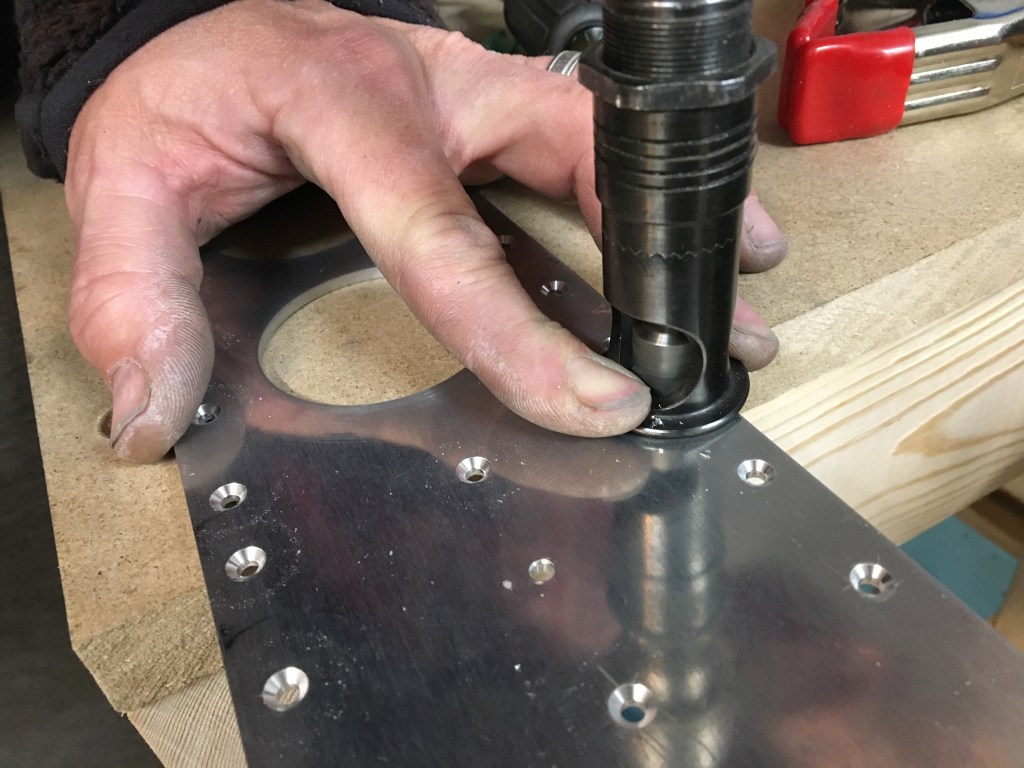
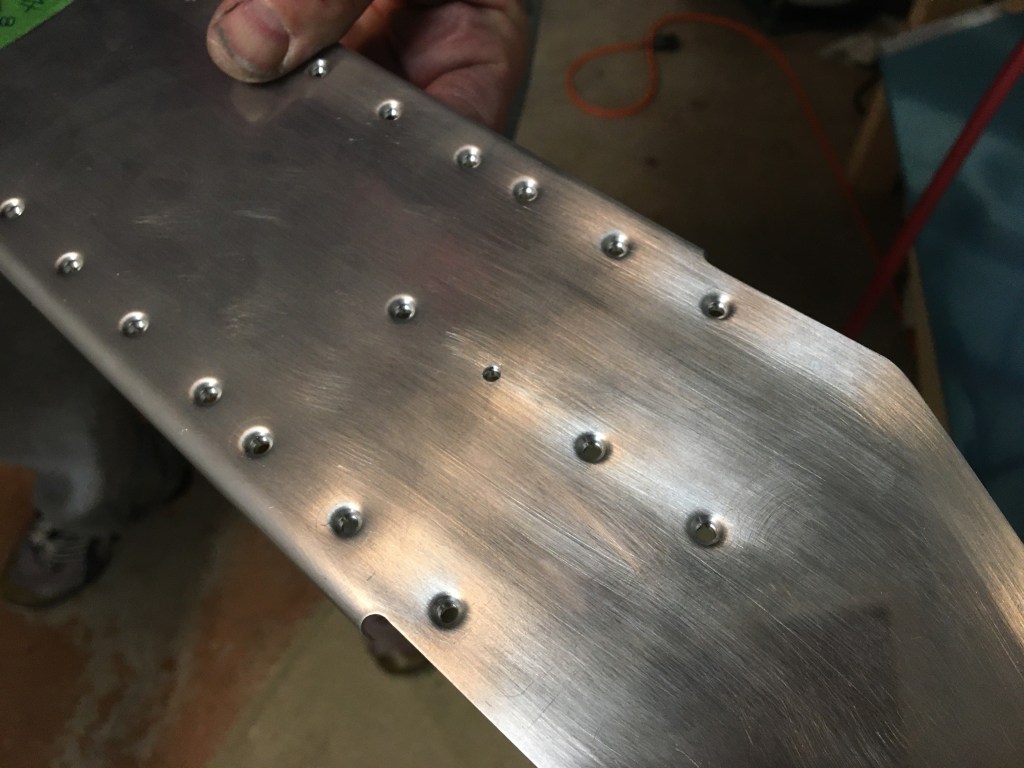
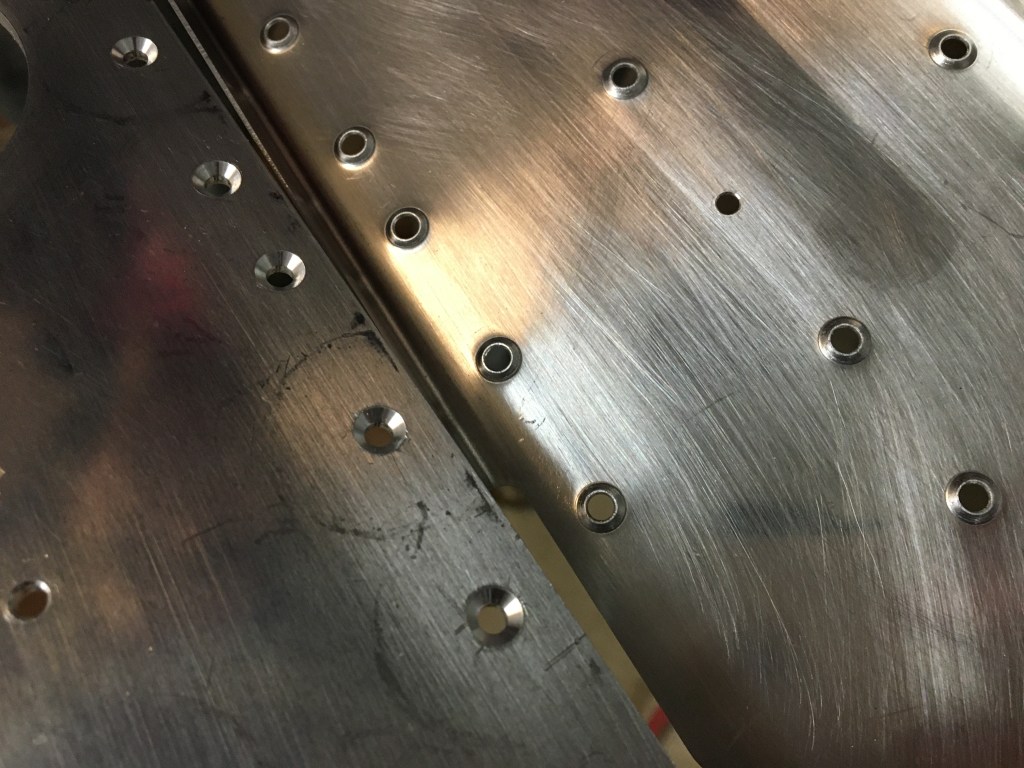
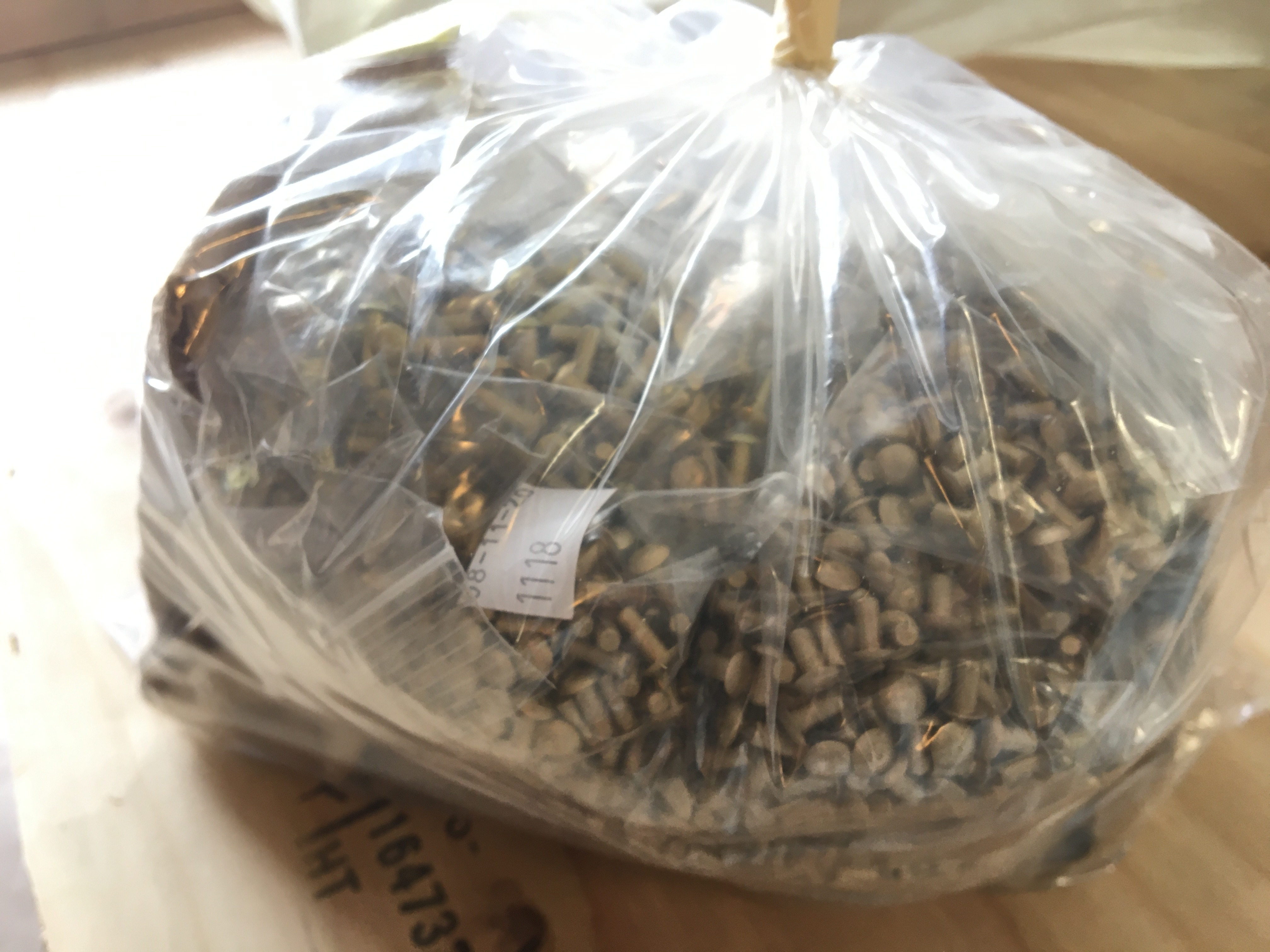
There are a number of different types of rivets, but I think I’ve been introduced to the main ones that Troy will be using for the empennage. There are countersunk (flush / flat head) rivets, universal (domed head) rivets, and then versions of the two in the blind rivet format. Which one you use will depend on if air flows over that particular surface (recall Part 1’s description of countersinking and dimpling) and, in the case of the blind rivet, if you can access the locations where you need to set the rivet.
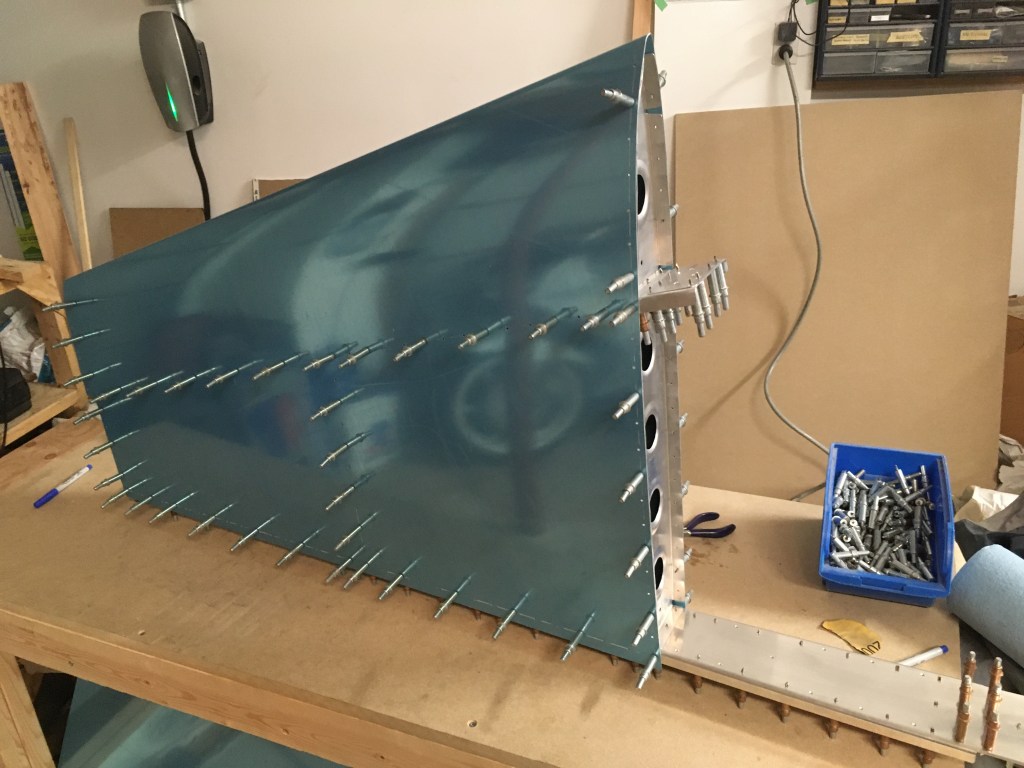
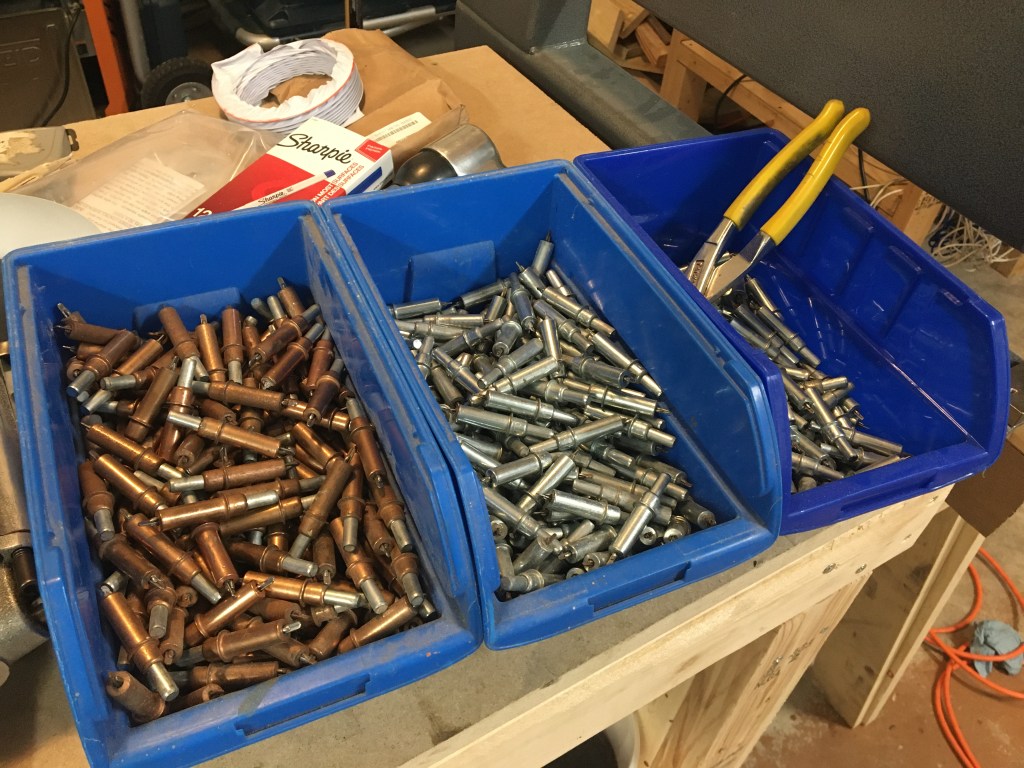
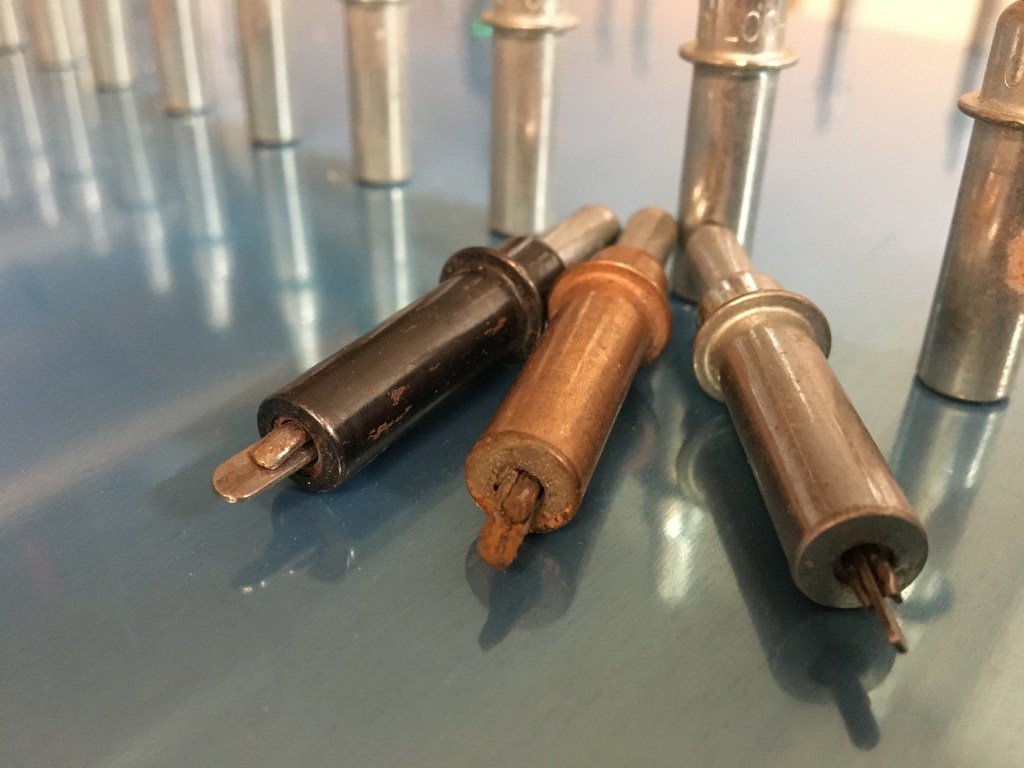
The blind rivet reminds me of pulling the waist string on a pair of pandemic pants (my name for sweat pants). As you pull that string, the fabric bunches up – that’s pretty much how a blind rivet works. When you can’t pound on both sides of a rivet, a blind rivet comes in handy. A blind rivet gun pulls at the long pin, mushrooming the other end and ultimately snapping the excess pin off to set the rivet.
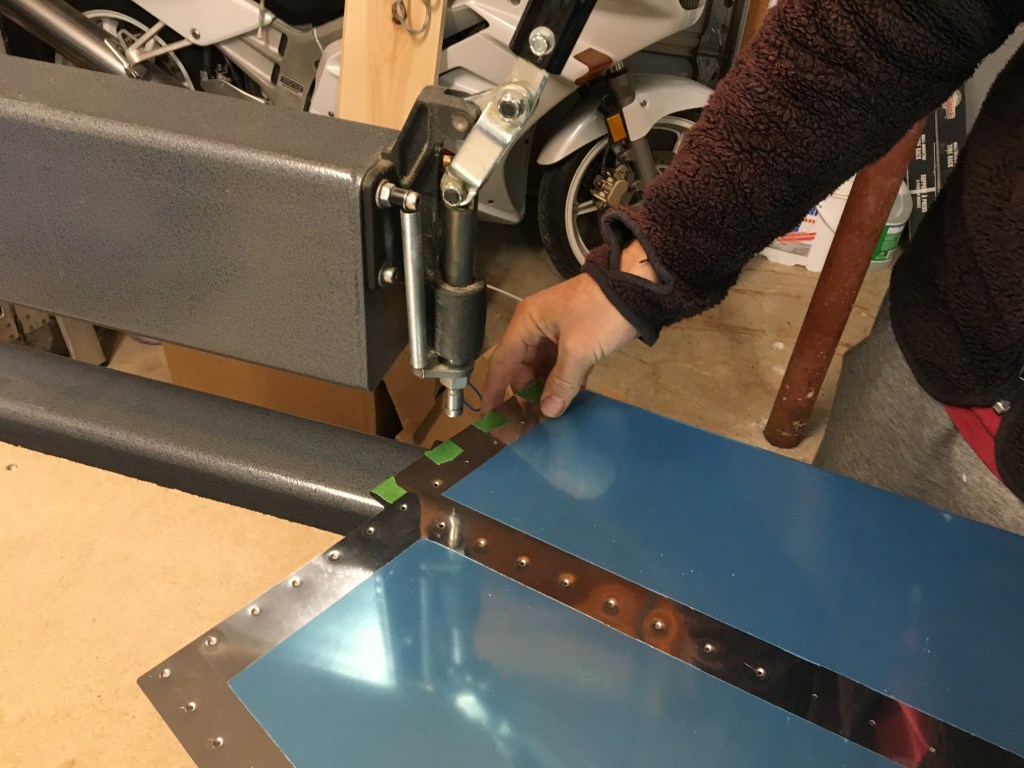
Given the option, builders will typically choose to use a pneumatic squeezer to install a rivet because of the ease of use and a consistency in pressure – you can set an end point so that you do not over pound a rivet.
However, there are times, when you cannot get a squeezer into the space you need to place a rivet and that’s where a riveting gun is used. The riveting gun reminds me of a little jack hammer. This involves a bucking bar or a riveting bar made out of tungsten or steel to give a counterforce to the riveting gun. You have to be mindful of how many times you hit the rivet in order to attempt uniformity with all of the sets.
There will also be areas where you just can’t position the riveting gun and so various attachments know as rivet sets can be used. It looks awkward and really is quite awkward to use, so the hope is that there aren’t too many of these in the build.
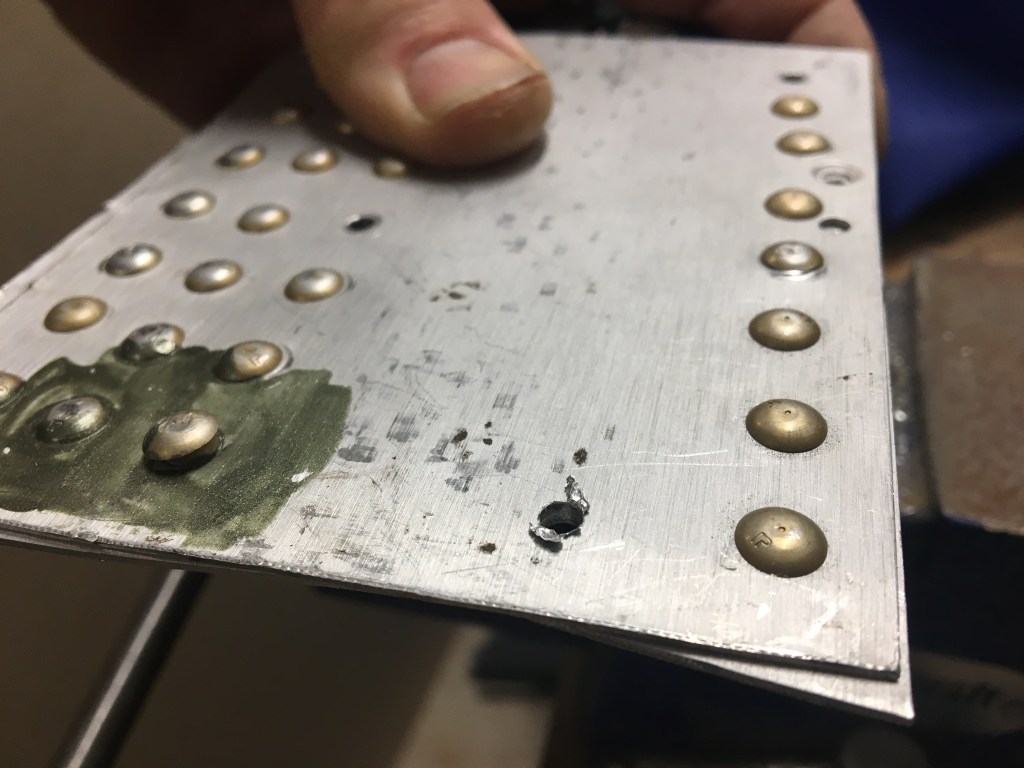
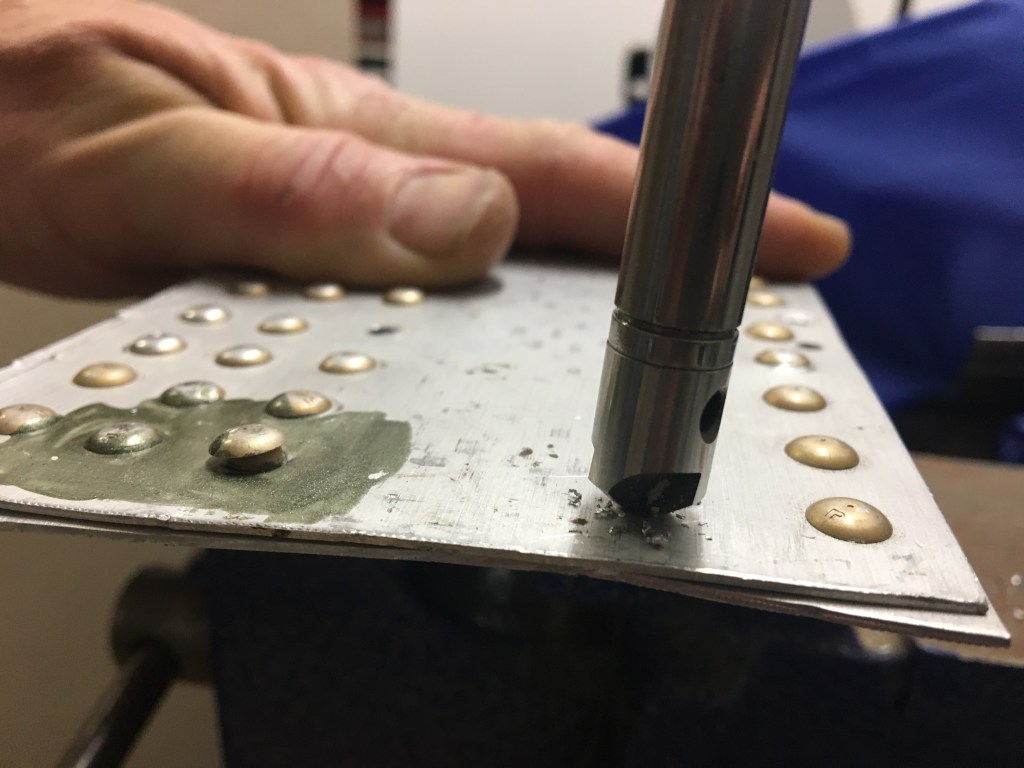
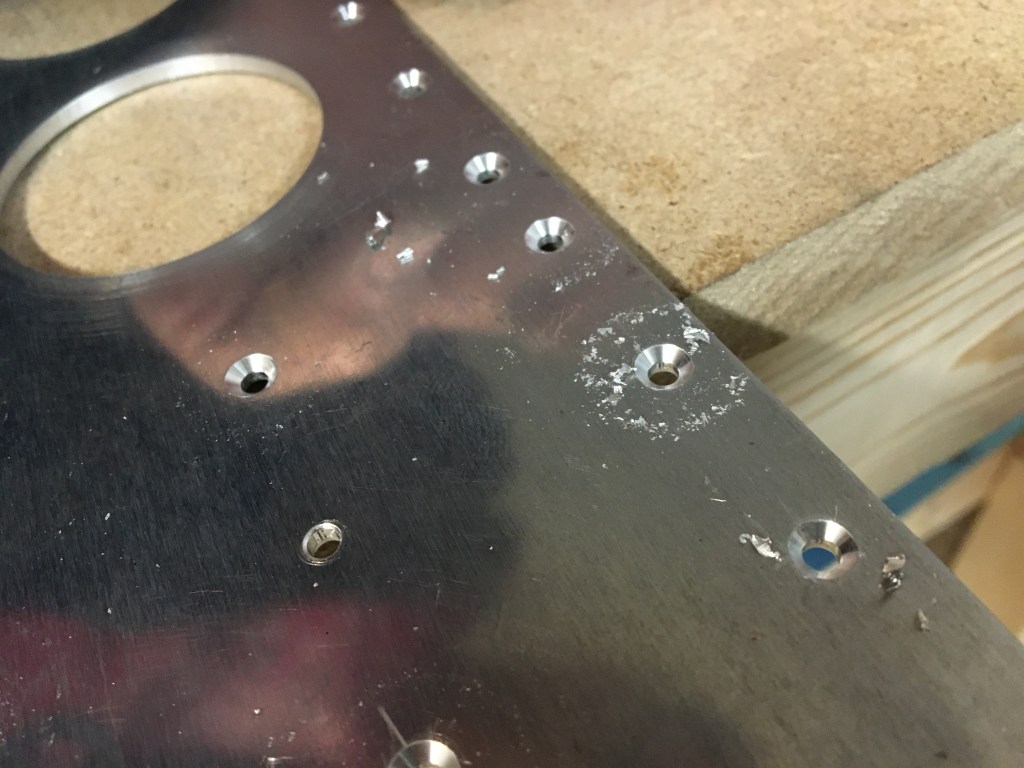
What happens when you screw up a rivet? It happens, and already has happened. We learned the hard way that you need to keep an eye on where the riveting bar is at all times. Another hope is that you do not need to do this often, but you would drill out the top of the rivet and then once that part is removed, drill out the remaining metal in order to push the rejected rivet out.
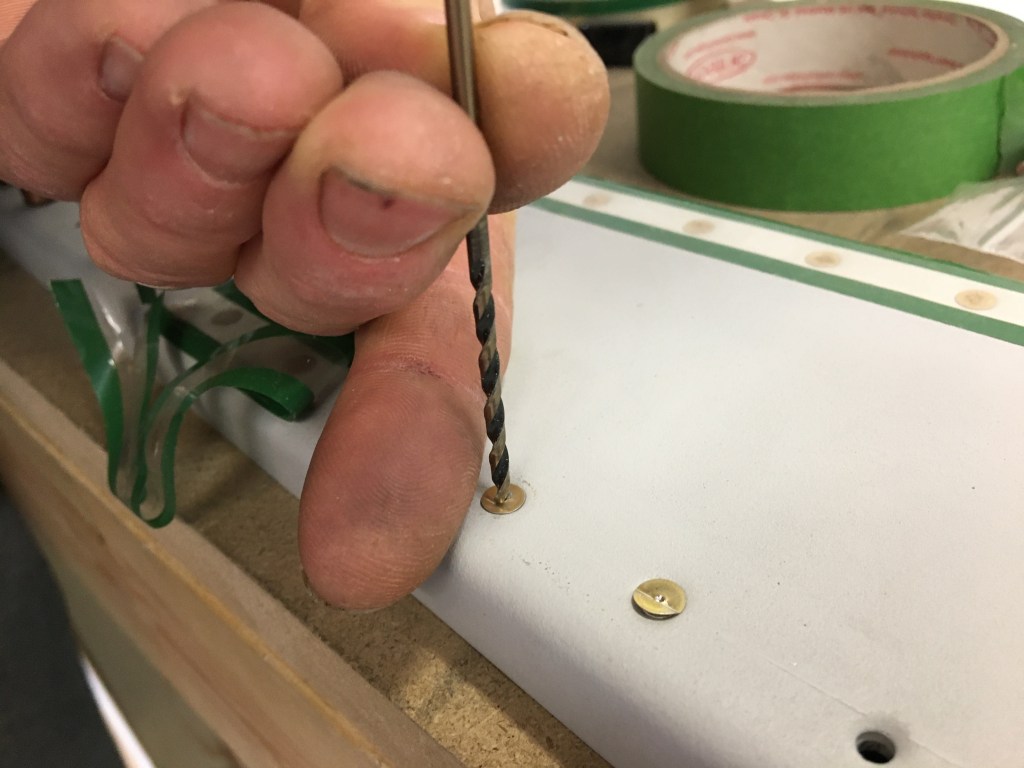
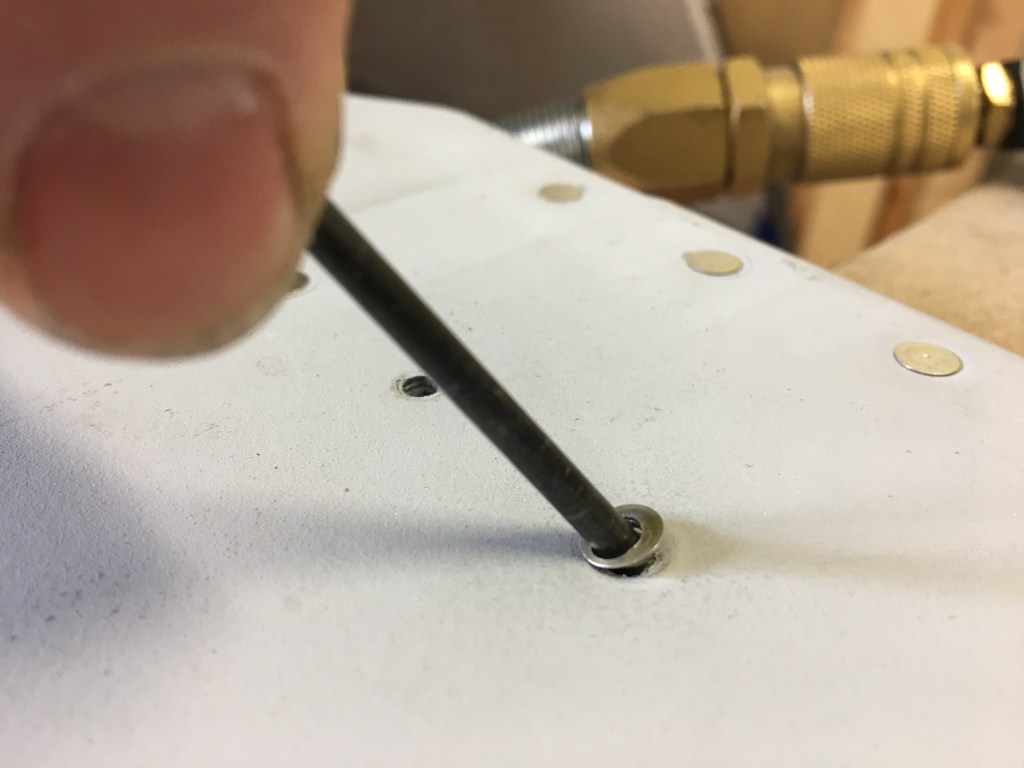

And now to finally answer the question: Why don’t we have a beer fridge in the airplane workshop? There are actually a number of reasons:
- There’s no space, you can barely see the floor now. I thought by now I’d have a clean and orderly garage. I’ve been reassured by Troy’s mother that history has shown this will never happen, ever.
- We currently only have 100 Amp service running to the house. Thanks to Troy’s Tesla home car charger, having a space heater in the garage is already a challenge on the fuse box. We might blow it up if we plugged anything else into the electrical sockets.
- Related to the space heater – now that it’s the middle of November in Ontario, a beer can actually remain cold enough without the assistance of refrigeration.
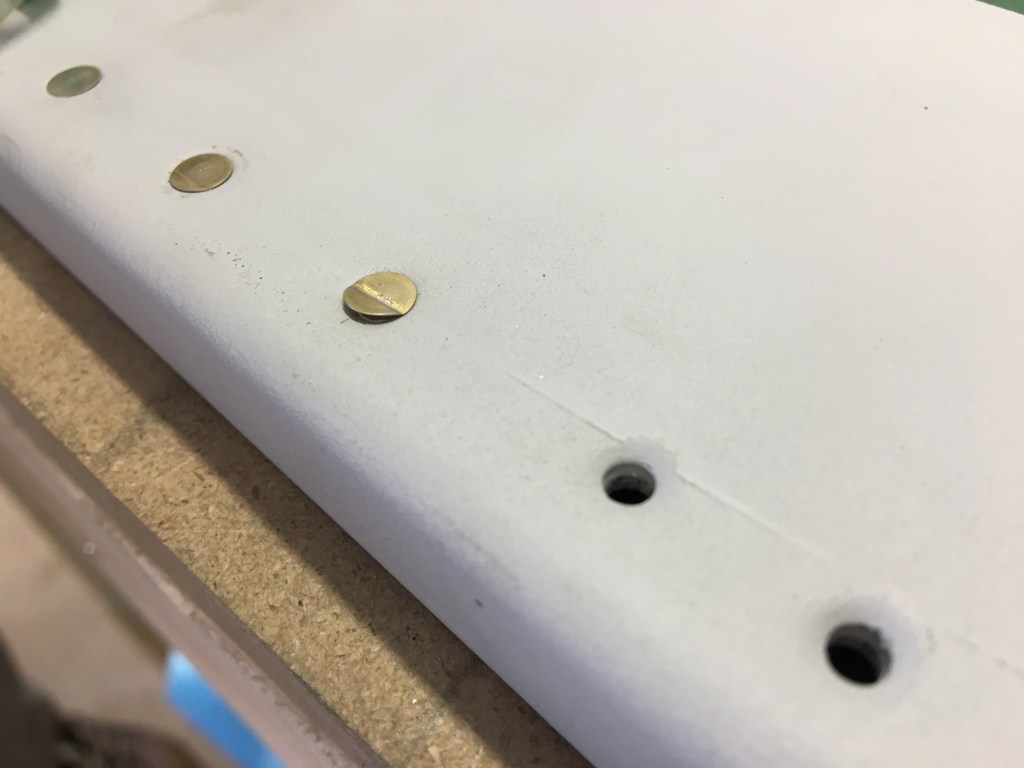
- The most important one was illustrated above in the rivets Troy had to remove. We’re already making simple and costly mistakes without the assistance of adult beverages. 110% precision is required and any small misstep results in a step towards a failure in safety. The parts, while replaceable, are costly and take some time to ship from the manufacturer in Oregon.
However, that detail doesn’t stop me from having a beer if my role in the workshop at that moment, is purely that of an observer. Cheers!











 From The Right Seat